Oregon City Tree Trimming & Pruning
Comprehensive Pruning Solutions for Oregon City Trees
Proper pruning represents the most important investment in long-term tree health. Oregon City's Mediterranean climate demands strategic timing—winter dormancy pruning for most species, but careful avoidance during spring flush when diseases spread rapidly. Our certified arborists follow ANSI A300 standards, making cuts that promote healing, reduce storm damage risk, and enhance natural form. From crown thinning for wind resistance to structural pruning for young trees, every cut serves a specific health or safety objective.
What's Included in our Tree Trimming & Pruning service?
Structural Pruning for Young Trees
Reducing wind resistance and improving light penetration requires strategic interior pruning. We selectively remove branches to decrease density without destroying natural form, reducing storm damage risk while maintaining the aesthetic qualities that make mature trees valuable. Every cut follows ISA standards for proper placement and healing.
Crown Reduction & Thinning
Establishing proper branch architecture in young trees prevents costly corrections later. We develop strong central leaders, eliminate competing stems, and create balanced crown distribution through systematic pruning that follows natural growth patterns while building storm-resistant structure for Oregon City's wind and ice events.
Deadwood Removal & Safety Pruning
Dead and dying branches threaten property and people, especially during Oregon City's winter storms. Our safety pruning eliminates hazardous deadwood, weak attachments, and overextended limbs before they fail. Regular deadwood removal extends tree life, reduces liability, and prevents damage to roofs, vehicles, and power lines.
Comprehensive Tree Care Services in Oregon City
Tailored to Your Needs
When Oregon City trees face winter storm damage, drought stress, or seasonal maintenance needs, property owners turn to professionals who understand Willamette Valley conditions. Our comprehensive tree care addresses everything from ice storm recovery to Heritage Tree compliance, ensuring your landscape thrives through Oregon's wet winters and dry summers.
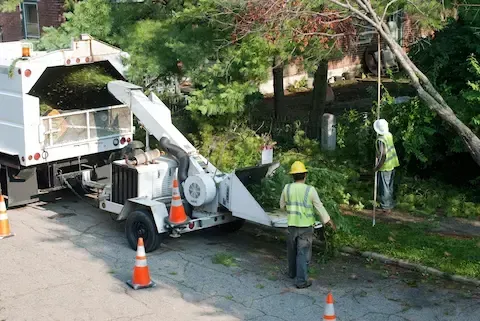
Our certified crews provide safe, efficient tree removal throughout Oregon City, handling everything from small ornamentals to massive Douglas firs while managing permits and protecting your property.
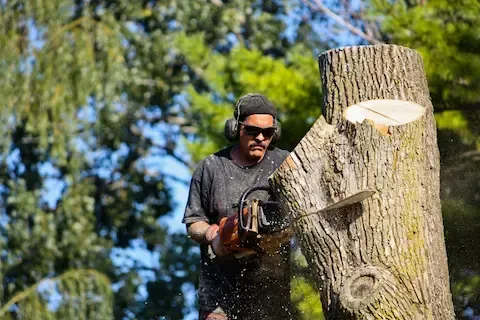
Our ISA-certified arborists deliver precision pruning that enhances tree health, structural integrity, and aesthetic appeal while addressing Oregon City's specific climate challenges and storm preparation needs.
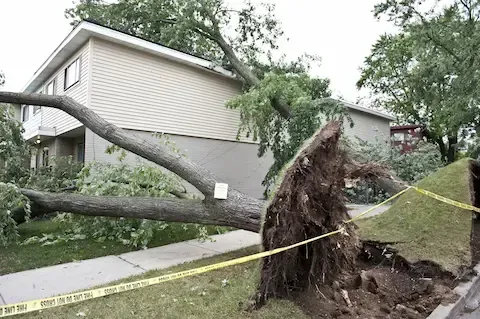
When ice storms strike or trees fail unexpectedly, our emergency response team provides immediate assessment and safe removal to protect Oregon City properties and restore access.
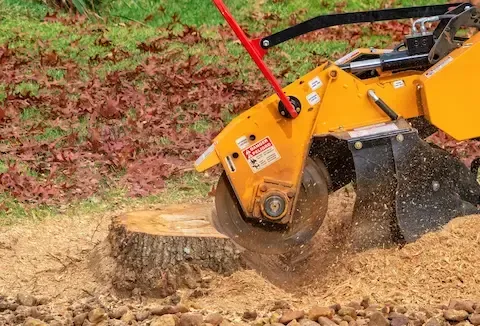
Our stump grinding services eliminate unsightly remnants and reclaim usable space, grinding stumps to 8-12 inches below grade for Oregon City properties ready for landscaping or construction.
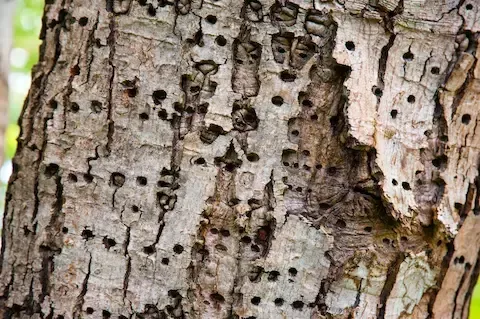
Our certified arborists diagnose and treat the diseases and health challenges threatening Oregon City trees, from drought stress to fungal infections specific to Willamette Valley conditions.
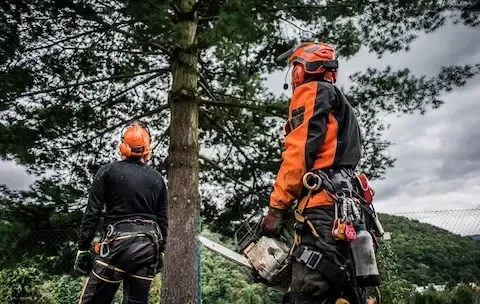
Our ISA-certified arborists provide expert consultations for Oregon City property owners, delivering professional tree assessments, risk evaluations, and management recommendations backed by industry credentials.
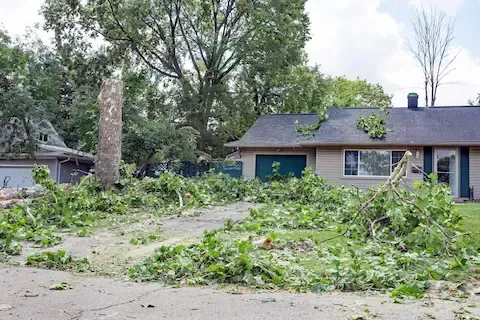
After winter storms impact Oregon City, our experienced crews provide comprehensive damage assessment, hazard mitigation, and complete property cleanup to restore safety and accessibility.
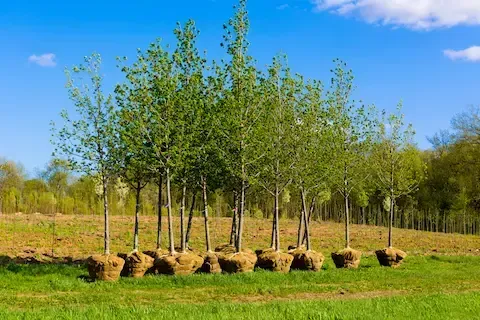
Our arborists help Oregon City property owners select and plant trees suited to local climate challenges, ensuring long-term success through species matching and proper installation techniques.
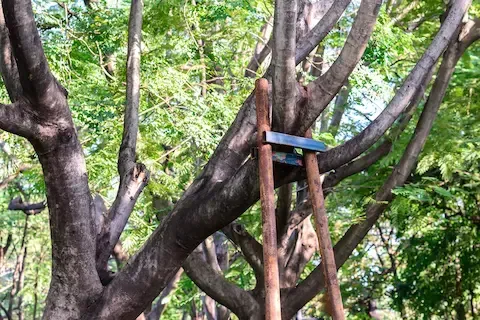
Our certified crews install cable and brace systems that support structurally compromised Oregon City trees, preventing failure during wind and ice events while preserving valuable specimens.
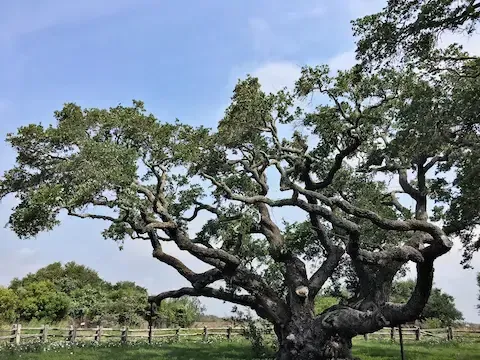
We navigate Oregon City's tree removal permits and Heritage Tree regulations for property owners, managing applications and compliance requirements to ensure legal, approved tree work.

Proudly Serving Oregon City and Surrounding Communities
Expert Tree Care for Oregon City Properties
Our Oregon City headquarters allows rapid response throughout Clackamas County and surrounding Willamette Valley communities. We understand regional climate conditions, local tree species, and municipal regulations across all service areas. Whether you're in Oregon City proper or nearby communities, our certified team delivers the same expert tree care and customer service that built our reputation.
Proudly serving Oregon City, West Linn, Gladstone, Milwaukie, Canby,
Lake Oswego and Clackamas for 15+ years.
Frequently Asked Questions
Tree Care can be complex, and we’re here to provide answers to common questions. Here are some frequently asked questions from our clients.
Frequently Asked Questions about tree service
Do you provide emergency tree services in Oregon City?
Yes, we offer 24/7 emergency tree services throughout Oregon City and surrounding areas. When ice storms strike, trees fall on structures, or hazardous situations develop, we dispatch experienced crews within 2-4 hours for critical situations. Our emergency response includes damage assessment, safe tree removal or stabilization, property protection, and insurance documentation. We prioritize life-safety situations during major storm events while responding to all emergencies as quickly as conditions allow.
Are you licensed and insured for tree work in Oregon?
Absolutely. We maintain comprehensive general liability insurance, workers' compensation coverage, and all required Oregon business licenses. Our ISA-certified arborists hold professional credentials demonstrating technical competence in tree care. We provide proof of insurance before beginning work and can add customers as additional insured for projects requiring it. Full licensing and insurance protects both our team and your property.
How much does tree removal cost in Oregon City?
Tree removal costs vary significantly based on tree size, location, access challenges, and disposal requirements. Small trees under 30 feet typically cost $400-800, medium trees 30-60 feet range $800-2,000, and large trees over 60 feet start at $2,000 with complex removals exceeding $5,000. Factors affecting pricing include proximity to structures, power line involvement, stump grinding, permit requirements, and emergency scheduling. We provide free written estimates after on-site assessment with transparent itemization.
Do you help with Heritage Tree permits?
Yes, Heritage Tree permit navigation is one of our specialties. We've successfully processed hundreds of Oregon City Heritage Tree applications, understanding exactly what documentation city planning requires and how to present applications for approval. We assess whether trees meet Heritage designation criteria, prepare complete applications with required measurements and justification, coordinate with city staff, and handle all communication throughout the approval process. Our permit expertise saves time and ensures compliance.
What areas do you serve besides Oregon City?
Our primary service area includes Oregon City and surrounding Clackamas County communities including West Linn, Gladstone, Milwaukie, Lake Oswego, and Clackamas. We also serve portions of southern Portland metro. Our Oregon City headquarters allows rapid response throughout the region while maintaining deep knowledge of local climate conditions, tree species, and municipal regulations specific to each community we serve.
When is the best time for tree maintenance in Oregon City?
Winter dormancy—late December through February—provides optimal timing for most tree pruning in Oregon City. Disease spread is minimal during dormancy, wounds close quickly when growth resumes, and structural problems are visible without foliage. Avoid spring pruning when diseases spread rapidly through fresh cuts. Dead wood removal, emergency work, and hazard mitigation can occur year-round. Tree planting succeeds best in fall (October-November) when roots establish through Oregon City's wet, mild winters.
Frequently Asked Questions about Tree Trimming & Pruning
When is the best time to prune trees in Oregon City?
Winter dormancy provides optimal pruning timing for most Oregon City trees—late December through February when disease spread is minimal and wound closure begins immediately in spring. Avoid pruning during spring flush when diseases like canker and verticillium spread rapidly through fresh cuts. Oak pruning should occur only during winter dormancy to prevent oak wilt introduction. Dead wood removal can occur year-round.
How much can you safely remove from a tree during pruning?
Healthy trees tolerate 15-20% crown removal per season without significant stress. Removing more reduces food production capacity and triggers excessive water sprout growth. Our ISA-certified arborists follow ANSI standards, making strategic cuts that achieve pruning objectives—hazard reduction, clearance, or health improvement—while maintaining tree vigor and natural form. Severely overgrown trees may require multi-year programs.
What's the difference between tree trimming and pruning?
The terms overlap significantly. Trimming generally refers to maintaining tree size and shape, while pruning emphasizes health and structure. Professional arborists use pruning to describe all selective branch removal following scientific principles—developing structure in young trees, reducing hazards, improving health, and managing size. Proper cuts, correct timing, and strategic selection distinguish professional pruning from arbitrary cutting.
Will pruning damage my tree?
Proper pruning by certified arborists improves tree health and longevity. Cuts made following ANSI standards heal quickly with minimal decay introduction. Poor pruning—topping, flush cuts, or excessive removal—causes permanent damage, decay, and structural problems. Our ISA-certified team makes precise cuts that follow branch collar anatomy, promoting rapid wound closure while achieving your objectives without compromising tree health.
Do you trim trees in West Linn, Gladstone, Milwaukie, and Canby?
Yes. Our trimming crews work throughout Clackamas County from our Oregon City base, and the surrounding communities are part of our regular service area. Species mix and pruning timing shift slightly across the region depending on elevation and exposure, so a bigleaf maple on a sheltered Gladstone lot may hold dormancy on a different schedule than the same species on an exposed West Linn ridgeline. We assess timing per property rather than working off a fixed calendar.
Can you cut back branches hanging over my roof or driveway?
Yes, and that is one of the most common requests we get in Oregon City. Crown raising and selective limb reduction can clear a roofline, driveway, or walkway without disfiguring the tree, as long as the cuts are made at the branch collar and the total removal stays within what the tree can tolerate in one season. Branches touching a roof deserve prompt attention, because constant contact abrades shingles and gives rodents and carpenter ants a bridge onto the structure.
Do you trim large hedges and overgrown shrubs as well as trees?
Yes. Mature laurel, arborvitae, and holly hedges that have outgrown their space are handled alongside tree work, and it is often more efficient to do both on the same visit. Overgrown evergreen hedges need care, though, since most will not regenerate from bare interior wood, so bringing them back to size is sometimes a staged job across two or three seasons rather than a single hard cut.
How long does a typical tree trimming visit take?
Most residential trimming jobs are completed in a single day, and smaller trees or a light clearance pruning often take only a few hours. Large mature trees requiring a climber, or properties with several trees being worked at once, can run into a second day. We give you a realistic time window during the estimate so you can plan around driveway access and any noise-sensitive parts of your day.
Do you haul away the branches and clean up afterward?
Yes, cleanup and debris removal are part of standard trimming service. Brush is chipped on site and hauled off, larger wood is removed or cut to firewood length if you want to keep it, and we blow down driveways, walkways, and lawn areas before leaving. If you would rather keep the chips for mulch, tell the crew at the start of the day and they will pile them where you want them instead.
Can you thin a canopy to let more light into my yard or garden?
Yes. Crown thinning selectively removes interior branches to increase light penetration and air movement while keeping the tree's natural outline intact. It is a good solution for Oregon City yards where a mature canopy has gradually shaded out a lawn or vegetable bed. What we will not do is top the tree, because cutting leaders back to stubs produces weak epicormic regrowth, invites decay, and creates a worse problem within a few years.
Contact Us for Professional Pruning Services
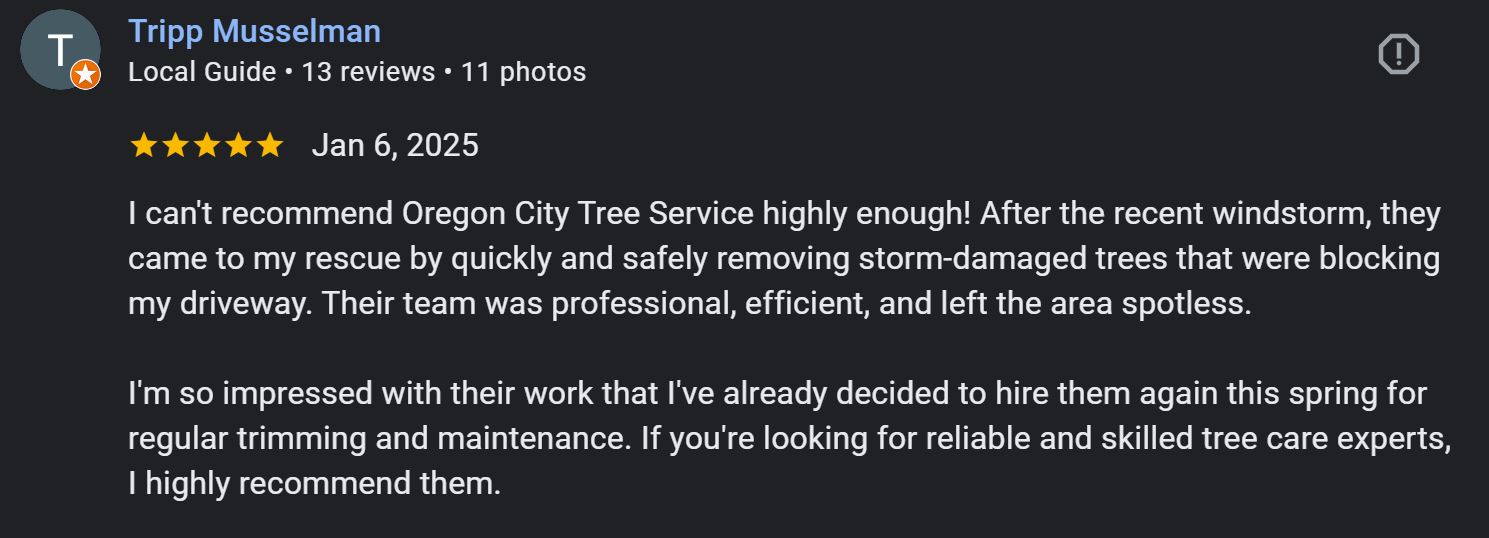
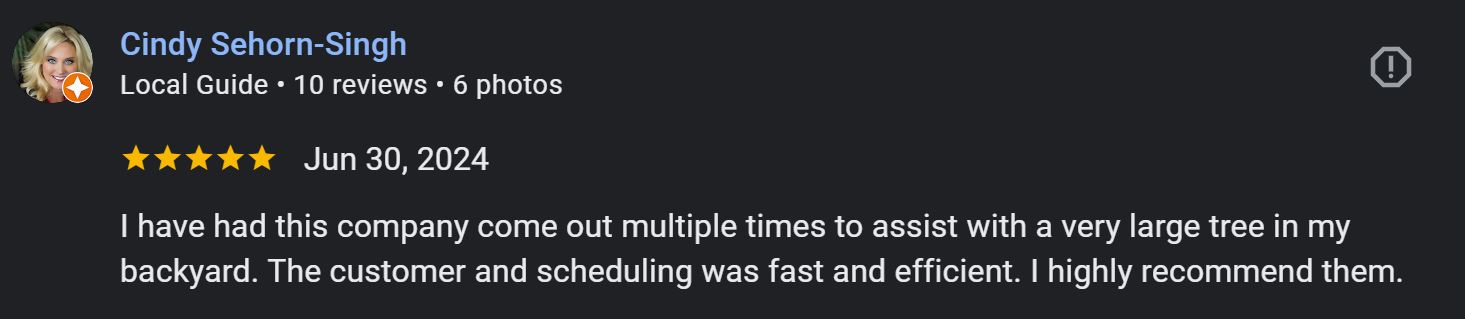
What Our Satisfied Clients Have to Say About Oregon City Tree Service
We pride ourselves on delivering great results and experiences for each client. Hear directly from home and business owners who’ve trusted us with their Tree Care needs. Read more about us here

The Trusted Tree Care Expert Near You
Ready to hear more about expert services at Oregon City Tree Service?
Contact us today to receive a detailed, no-obligation quote.
More About Tree Trimming & Pruning
We share helpful articles to answer common questions, explain options, and give a better sense of what to expect. Whether you’re taking care of your own home or responsible for a larger property, these resources are meant to make planning and decision-making a little easier.
Licensed & Insured

8am-6pm, Mon-Fri