Storm Damage Assessment & Cleanup in Oregon City OR
Complete Storm Damage Recovery for Oregon City Properties
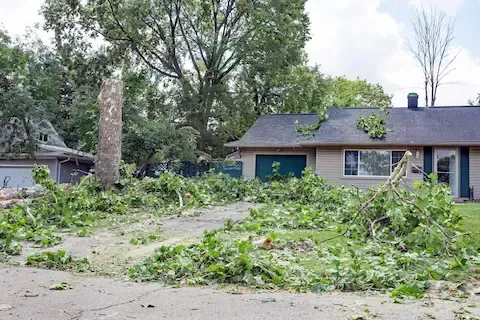
Oregon City's 2021 and 2022 ice storms demonstrated how quickly weather events overwhelm tree structures. Ice accumulation causes massive branch failures, while wind events uproot shallow-rooted trees or break weakened stems. Professional storm recovery begins with systematic hazard assessment—identifying trees with partial failures, hanging branches, or structural compromises that threaten additional damage. Our certified teams prioritize immediate dangers, then execute comprehensive cleanup that addresses all storm impacts while documenting damage for insurance claims.
What's Included in our Storm Damage Assessment & Cleanup service?
Comprehensive Damage Documentation
Insurance claims require detailed damage evidence. We photograph all storm impacts, document tree species and sizes, itemize specific damage, and provide written assessments supporting your insurance claim. Our documentation includes pre-storm conditions when available, helping adjusters understand the full scope of losses.
Priority-Based Hazard Mitigation
Not all storm damage demands immediate attention. We categorize hazards by risk level, addressing critical threats to structures and utilities first, followed by access restoration and property cleanup. This systematic approach manages costs while ensuring safety through the recovery process.
Salvage Pruning & Tree Recovery
Many storm-damaged trees can recover with proper corrective pruning. We assess structural integrity, remove damaged branches cleanly, balance remaining crown structure, and provide recovery care recommendations. When trees can be saved, strategic pruning preserves valuable specimens and reduces replacement costs.

Proudly Serving Oregon City and Surrounding Communities
Expert Tree Care for Oregon City Properties
Our Oregon City headquarters allows rapid response throughout Clackamas County and surrounding Willamette Valley communities. We understand regional climate conditions, local tree species, and municipal regulations across all service areas. Whether you're in Oregon City proper or nearby communities, our certified team delivers the same expert tree care and customer service that built our reputation.
Proudly serving Oregon City, West Linn, Gladstone, Milwaukie, Canby,
Lake Oswego and Clackamas for 15+ years.
Frequently Asked Questions
Tree Care can be complex, and we’re here to provide answers to common questions. Here are some frequently asked questions from our clients.
Frequently Asked Questions about tree service
Do you provide emergency tree services in Oregon City?
Yes, we offer 24/7 emergency tree services throughout Oregon City and surrounding areas. When ice storms strike, trees fall on structures, or hazardous situations develop, we dispatch experienced crews within 2-4 hours for critical situations. Our emergency response includes damage assessment, safe tree removal or stabilization, property protection, and insurance documentation. We prioritize life-safety situations during major storm events while responding to all emergencies as quickly as conditions allow.
Are you licensed and insured for tree work in Oregon?
Absolutely. We maintain comprehensive general liability insurance, workers' compensation coverage, and all required Oregon business licenses. Our ISA-certified arborists hold professional credentials demonstrating technical competence in tree care. We provide proof of insurance before beginning work and can add customers as additional insured for projects requiring it. Full licensing and insurance protects both our team and your property.
How much does tree removal cost in Oregon City?
Tree removal costs vary significantly based on tree size, location, access challenges, and disposal requirements. Small trees under 30 feet typically cost $400-800, medium trees 30-60 feet range $800-2,000, and large trees over 60 feet start at $2,000 with complex removals exceeding $5,000. Factors affecting pricing include proximity to structures, power line involvement, stump grinding, permit requirements, and emergency scheduling. We provide free written estimates after on-site assessment with transparent itemization.
Do you help with Heritage Tree permits?
Yes, Heritage Tree permit navigation is one of our specialties. We've successfully processed hundreds of Oregon City Heritage Tree applications, understanding exactly what documentation city planning requires and how to present applications for approval. We assess whether trees meet Heritage designation criteria, prepare complete applications with required measurements and justification, coordinate with city staff, and handle all communication throughout the approval process. Our permit expertise saves time and ensures compliance.
What areas do you serve besides Oregon City?
Our primary service area includes Oregon City and surrounding Clackamas County communities including West Linn, Gladstone, Milwaukie, Lake Oswego, and Clackamas. We also serve portions of southern Portland metro. Our Oregon City headquarters allows rapid response throughout the region while maintaining deep knowledge of local climate conditions, tree species, and municipal regulations specific to each community we serve.
When is the best time for tree maintenance in Oregon City?
Winter dormancy—late December through February—provides optimal timing for most tree pruning in Oregon City. Disease spread is minimal during dormancy, wounds close quickly when growth resumes, and structural problems are visible without foliage. Avoid spring pruning when diseases spread rapidly through fresh cuts. Dead wood removal, emergency work, and hazard mitigation can occur year-round. Tree planting succeeds best in fall (October-November) when roots establish through Oregon City's wet, mild winters.
Frequently Asked Questions about Storm Damage Assessment & Cleanup
Will insurance cover storm damage tree removal?
Most homeowner policies cover tree removal when storms cause trees to fall on insured structures—homes, garages, fences. Coverage for trees falling in yards without striking structures varies by policy. Maximum coverage amounts are typically $500-1,500 per tree with overall limits. We provide detailed documentation supporting insurance claims, including photographs, damage descriptions, and itemized estimates. Working directly with adjusters facilitates claim processing and approval.
How do you determine which storm-damaged trees should be removed?
We assess structural integrity, crown loss percentage, trunk damage, and root system compromise. Trees losing less than 30% of crowns often recover with corrective pruning. Major trunk wounds or splits compromise long-term stability and usually warrant removal. Partial uprooting or significant root damage eliminates anchorage. We evaluate each tree individually, considering species, age, value, and recovery potential specific to Oregon City conditions.
Can storm-damaged trees recover
Many storm-damaged trees survive with proper corrective pruning and follow-up care. Species, damage type, and extent determine recovery potential. Crown damage often heals if main structure remains sound. Trunk splits, significant bark loss, or root system damage usually prevent recovery. We assess carefully, recommending removal when safety risks or poor long-term prospects outweigh preservation benefits, but salvaging viable trees when structural integrity remains adequate.
What should I do about hanging branches after storms?
Hanging branches—'widow makers'—represent serious hazards requiring immediate professional attention. Don't attempt removal yourself, as partially attached branches are unstable and unpredictable. We secure hazard zones, assess attachment points, and safely remove hanging material using rigging systems that control descent. Some situations require crane assistance or aerial access to reach precarious branches safely without additional damage.
How quickly can you start cleanup after a windstorm?
Immediate hazards, such as a tree on a structure or blocking access, are handled on an emergency basis. General cleanup follows as crews free up, and after a widespread Willamette Valley event that can take several days because the whole region calls at once. We work through by risk, not by call order. If your situation is safe but inconvenient, telling us that up front actually helps, since it lets us route crews to the genuinely dangerous sites first and still get to you promptly.
Do you document storm damage for my insurance adjuster?
Yes. We photograph the damage before anything is moved, record what failed and where it landed, note the species and size of the tree involved, and provide itemized documentation of the work performed. Adjusters generally want evidence that the failure was storm-caused rather than the result of a pre-existing condition that went unaddressed, and a written assessment from a certified arborist speaks directly to that question.
What happens to the wood and brush after storm cleanup?
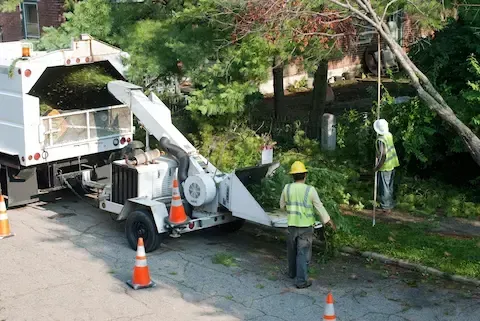
Brush is chipped and hauled off, and larger wood is removed unless you want it kept. If you heat with wood, we can cut rounds to length and stack them rather than hauling them away, which many Oregon City property owners prefer after losing a large fir or maple. Clackamas County restricts burning and residential disposal of large wood volumes, so hauling goes to authorized facilities rather than to the curb.
Can you clear driveway access first and come back for the rest?
Yes, and it is often the fastest route to getting your life back to normal. Restoring access is usually a short, focused job, while full cleanup of a large failed tree takes considerably longer. Splitting the work lets you get vehicles in and out the same day and schedule the remainder when crews and equipment are freed up. Tell us access is the priority when you call and we will plan the visit that way.
Do you handle wind damage as well as ice storm damage?
Yes, and the damage patterns differ enough to matter. Ice loading tends to produce split crotches and partially attached hanging limbs, while wind more often causes whole-tree windthrow, where a shallow-rooted Douglas fir tips over with its root plate intact. Late spring wind events are particularly damaging here, because trees are carrying full new foliage while the soil is still saturated. Both call for assessment of what is left standing, not just removal of what came down.
Should I wait for my insurance company before calling you?
Not if anything is actively dangerous. Photograph everything first, then call us to make the situation safe, and notify your carrier in parallel. Most policies expect you to take reasonable steps to prevent further damage rather than leaving a hazard in place while a claim is processed. For non-urgent cleanup where nothing is at risk, there is no harm in confirming coverage first, and we can provide a written estimate to support that conversation.
Schedule Storm Cleanup Services Today
Comprehensive Tree Care Services in Oregon City
Tailored to Your Needs
When Oregon City trees face winter storm damage, drought stress, or seasonal maintenance needs, property owners turn to professionals who understand Willamette Valley conditions. Our comprehensive tree care addresses everything from ice storm recovery to Heritage Tree compliance, ensuring your landscape thrives through Oregon's wet winters and dry summers.
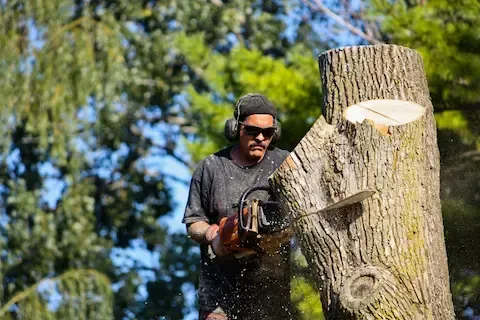
Our certified crews provide safe, efficient tree removal throughout Oregon City, handling everything from small ornamentals to massive Douglas firs while managing permits and protecting your property.
Our ISA-certified arborists deliver precision pruning that enhances tree health, structural integrity, and aesthetic appeal while addressing Oregon City's specific climate challenges and storm preparation needs.
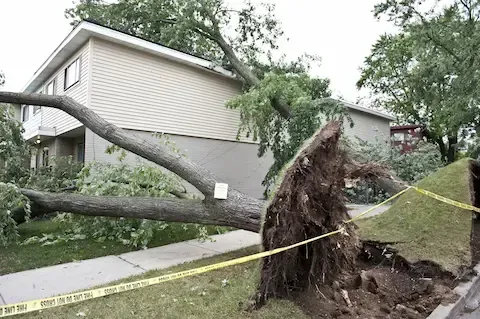
When ice storms strike or trees fail unexpectedly, our emergency response team provides immediate assessment and safe removal to protect Oregon City properties and restore access.
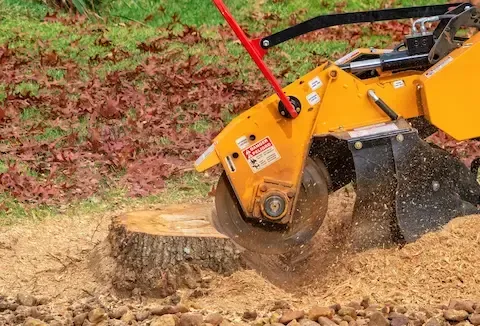
Our stump grinding services eliminate unsightly remnants and reclaim usable space, grinding stumps to 8-12 inches below grade for Oregon City properties ready for landscaping or construction.
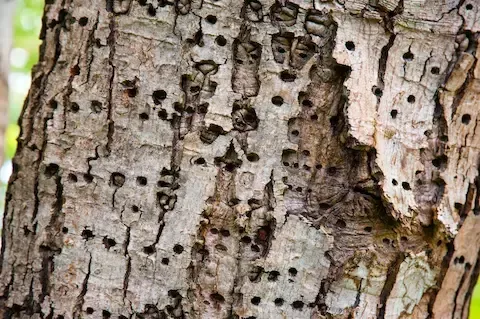
Our certified arborists diagnose and treat the diseases and health challenges threatening Oregon City trees, from drought stress to fungal infections specific to Willamette Valley conditions.
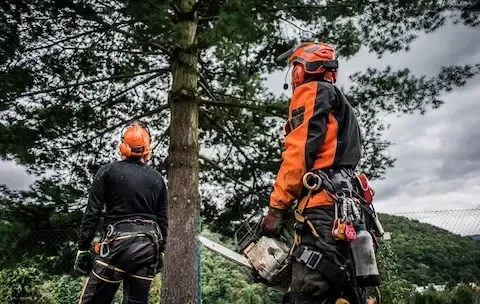
Our ISA-certified arborists provide expert consultations for Oregon City property owners, delivering professional tree assessments, risk evaluations, and management recommendations backed by industry credentials.
After winter storms impact Oregon City, our experienced crews provide comprehensive damage assessment, hazard mitigation, and complete property cleanup to restore safety and accessibility.
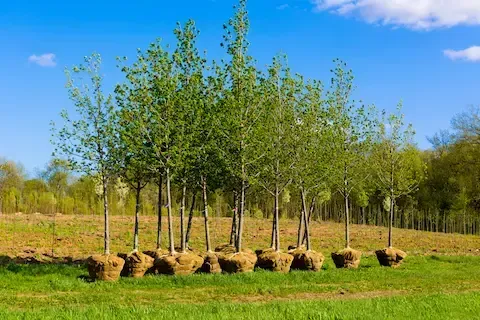
Our arborists help Oregon City property owners select and plant trees suited to local climate challenges, ensuring long-term success through species matching and proper installation techniques.
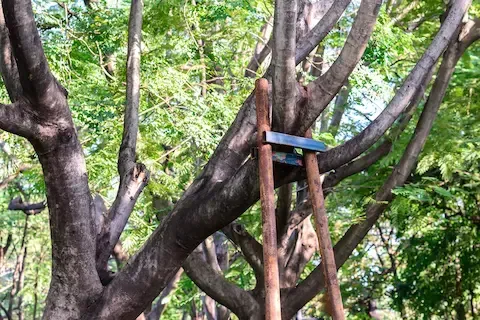
Our certified crews install cable and brace systems that support structurally compromised Oregon City trees, preventing failure during wind and ice events while preserving valuable specimens.
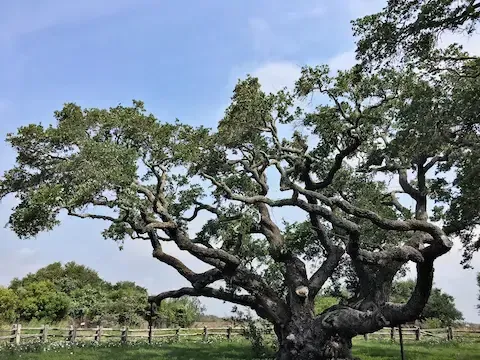
We navigate Oregon City's tree removal permits and Heritage Tree regulations for property owners, managing applications and compliance requirements to ensure legal, approved tree work.
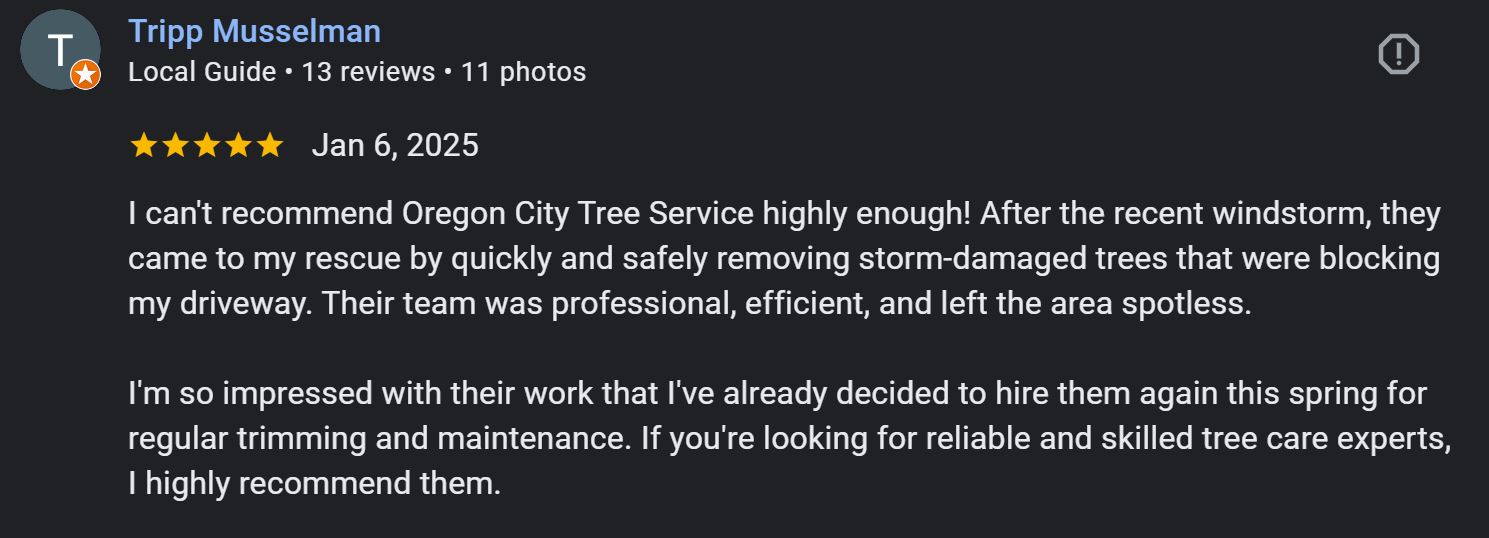
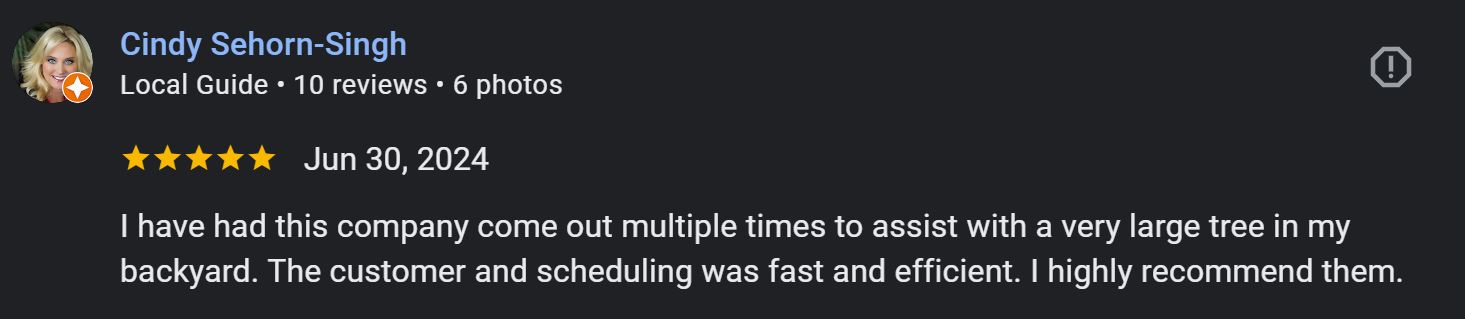
What Our Satisfied Clients Have to Say About Oregon City Tree Service
We pride ourselves on delivering great results and experiences for each client. Hear directly from home and business owners who’ve trusted us with their Tree Care needs. Read more about us here

The Trusted Tree Care Expert Near You
Ready to hear more about expert services at Oregon City Tree Service?
Contact us today to receive a detailed, no-obligation quote.
More About Storm Damage Assessment & Cleanup
We share helpful articles to answer common questions, explain options, and give a better sense of what to expect. Whether you’re taking care of your own home or responsible for a larger property, these resources are meant to make planning and decision-making a little easier.
Licensed & Insured

8am-6pm, Mon-Fri