Tree Health & Disease Management in Oregon City OR
Protecting Oregon City Trees from Disease & Decline
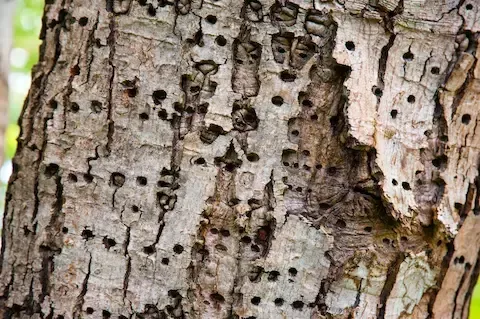
Tree health problems rarely announce themselves clearly. Yellowing foliage might indicate drought stress, nutrient deficiency, root damage, or disease infection. Dieback could result from boring insects, canker diseases, or vascular problems. Oregon City's Mediterranean climate creates specific disease pressures—fungal pathogens thrive in wet winters, while summer drought stresses trees already fighting infections. Our ISA-certified arborists conduct systematic diagnostics, identifying problems through symptom patterns, site conditions, and laboratory testing when needed.
What's Included in our Tree Health & Disease Management service?
Drought Stress Management
Oregon City's dry summers create cumulative stress that weakens trees and invites secondary problems. We assess water availability, implement supplemental irrigation strategies, apply moisture-retaining mulch, and recommend drought-tolerant species for replacements. Proper summer watering prevents damage that manifests as winter dieback.
Fungal Disease Treatment
Pacific Northwest humidity supports numerous fungal pathogens affecting Oregon City trees. We identify specific diseases through symptom analysis and fungal cultures, then implement treatment protocols including sanitation pruning, fungicide applications where appropriate, and cultural modifications that reduce infection pressure and prevent spread.
Pest Identification & Control
Boring insects, aphids, and mites cause significant tree damage in Oregon City landscapes. Our arborists identify pest species, assess population levels and damage severity, and implement integrated pest management combining biological controls, cultural practices, and targeted treatments that protect tree health while minimizing environmental impact.

Proudly Serving Oregon City and Surrounding Communities
Expert Tree Care for Oregon City Properties
Our Oregon City headquarters allows rapid response throughout Clackamas County and surrounding Willamette Valley communities. We understand regional climate conditions, local tree species, and municipal regulations across all service areas. Whether you're in Oregon City proper or nearby communities, our certified team delivers the same expert tree care and customer service that built our reputation.
Proudly serving Oregon City, West Linn, Gladstone, Milwaukie, Canby,
Lake Oswego and Clackamas for 15+ years.
Frequently Asked Questions
Tree Care can be complex, and we’re here to provide answers to common questions. Here are some frequently asked questions from our clients.
Frequently Asked Questions about tree service
Do you provide emergency tree services in Oregon City?
Yes, we offer 24/7 emergency tree services throughout Oregon City and surrounding areas. When ice storms strike, trees fall on structures, or hazardous situations develop, we dispatch experienced crews within 2-4 hours for critical situations. Our emergency response includes damage assessment, safe tree removal or stabilization, property protection, and insurance documentation. We prioritize life-safety situations during major storm events while responding to all emergencies as quickly as conditions allow.
Are you licensed and insured for tree work in Oregon?
Absolutely. We maintain comprehensive general liability insurance, workers' compensation coverage, and all required Oregon business licenses. Our ISA-certified arborists hold professional credentials demonstrating technical competence in tree care. We provide proof of insurance before beginning work and can add customers as additional insured for projects requiring it. Full licensing and insurance protects both our team and your property.
How much does tree removal cost in Oregon City?
Tree removal costs vary significantly based on tree size, location, access challenges, and disposal requirements. Small trees under 30 feet typically cost $400-800, medium trees 30-60 feet range $800-2,000, and large trees over 60 feet start at $2,000 with complex removals exceeding $5,000. Factors affecting pricing include proximity to structures, power line involvement, stump grinding, permit requirements, and emergency scheduling. We provide free written estimates after on-site assessment with transparent itemization.
Do you help with Heritage Tree permits?
Yes, Heritage Tree permit navigation is one of our specialties. We've successfully processed hundreds of Oregon City Heritage Tree applications, understanding exactly what documentation city planning requires and how to present applications for approval. We assess whether trees meet Heritage designation criteria, prepare complete applications with required measurements and justification, coordinate with city staff, and handle all communication throughout the approval process. Our permit expertise saves time and ensures compliance.
What areas do you serve besides Oregon City?
Our primary service area includes Oregon City and surrounding Clackamas County communities including West Linn, Gladstone, Milwaukie, Lake Oswego, and Clackamas. We also serve portions of southern Portland metro. Our Oregon City headquarters allows rapid response throughout the region while maintaining deep knowledge of local climate conditions, tree species, and municipal regulations specific to each community we serve.
When is the best time for tree maintenance in Oregon City?
Winter dormancy—late December through February—provides optimal timing for most tree pruning in Oregon City. Disease spread is minimal during dormancy, wounds close quickly when growth resumes, and structural problems are visible without foliage. Avoid spring pruning when diseases spread rapidly through fresh cuts. Dead wood removal, emergency work, and hazard mitigation can occur year-round. Tree planting succeeds best in fall (October-November) when roots establish through Oregon City's wet, mild winters.
Frequently Asked Questions about Tree Health & Disease Management
How can I tell if my tree is diseased?
What causes brown patches on my tree's leaves?
Brown leaf patches result from various causes in Oregon City trees. Fungal leaf spots create distinct circular lesions, while drought stress causes marginal browning. Sunscald produces irregular brown areas on sun-exposed foliage. Chemical damage from herbicide drift or excessive fertilizer creates random patterns. Our arborists examine pattern, timing, and distribution to distinguish causes and recommend appropriate responses—from fungicide applications to watering adjustments.
Can diseased trees be treated or must they be removed?
Treatment success depends on disease type, infection severity, and tree species. Many fungal infections respond to sanitation pruning, improved cultural practices, and fungicide applications when caught early. Vascular diseases like Dutch elm or verticillium wilt have limited treatment options. Boring insects can be controlled if detected before structural damage occurs. We assess disease scope and tree value, recommending treatment when success probability justifies investment.
Why are my tree's leaves turning yellow in summer?
Summer yellowing indicates stress in Oregon City trees, commonly from insufficient water during dry months. Chlorosis also results from iron deficiency in alkaline soils, nitrogen deficiency from soil compaction, or root damage from construction. Vascular diseases interfere with water uptake, causing wilting and yellowing. We diagnose the underlying cause through systematic assessment, then implement appropriate solutions—irrigation adjustments, nutrient management, or disease treatment.
What does Douglas fir root rot look like in an Oregon City yard?
It usually shows in the crown before anything is visible at the base. Watch for needles fading from deep green toward yellow-green, thinning in the upper third of the tree while the mid-canopy still looks full, and a spring with little or no new growth despite adequate rain. Later signs include reduced resin, sunken or discolored bark at the base, and bracket fungi at the root flare. The pathogens behind it thrive in the saturated clay soils common across Clackamas County, which is why the disease is so widespread here.
There are mushrooms or shelf fungus at the base of my tree — is that serious?
It warrants a professional look fairly promptly. Conks and bracket fungi at the root flare are the fruiting bodies of decay fungi, which means the wood inside has already been breaking down for some time before anything appeared on the outside. The tree may still stand for years, but its structural root system and lower trunk are compromised, and that matters a great deal if the tree is within falling distance of a house, driveway, or play area. An arborist can assess how much sound wood remains.
Can a tree that has lost part of its canopy be saved?
Often yes, depending on how much was lost and why. A healthy tree can generally recover from losing up to about a quarter of its crown, particularly if the loss was mechanical, such as storm breakage, rather than the result of disease or root failure. Corrective pruning to rebalance the remaining structure, along with attention to soil moisture through the following summer, gives the tree its best chance. Dieback that started at the top and moved downward is a different picture and usually points to a root problem.
How often should mature trees be inspected for disease?
An assessment every two to three years is reasonable for most mature trees on Oregon City properties, and annually for large trees within striking distance of a house. It is also worth requesting a look after any significant storm, after construction or grading near the root zone, and any time you notice a change in leaf color, canopy density, or the ground around the base. Most tree diseases here progress slowly, which means early detection genuinely changes the outcome.
Do you treat insect problems as well as fungal diseases?
Yes. Aphids, scale, mites, and boring insects all show up in Clackamas County landscapes, and each calls for a different response. The important step is correct identification, because insect damage frequently follows an underlying stress such as drought, compaction, or root injury, and treating the insect alone leaves the real cause in place. Our arborists diagnose the whole picture and prioritize cultural corrections before reaching for treatments.
Will a diseased tree infect the other trees in my yard?
Some diseases spread and some do not. Root pathogens such as Armillaria move through root-to-root contact and infected soil, so neighboring trees of the same species are genuinely at risk, particularly where they were planted close together. Many foliar diseases spread by spores during wet spring weather and are far less serious. The practical step is identifying which one you have before deciding whether nearby trees need protection or simply monitoring.
Contact Us for Disease Diagnosis & Treatment
Comprehensive Tree Care Services in Oregon City
Tailored to Your Needs
When Oregon City trees face winter storm damage, drought stress, or seasonal maintenance needs, property owners turn to professionals who understand Willamette Valley conditions. Our comprehensive tree care addresses everything from ice storm recovery to Heritage Tree compliance, ensuring your landscape thrives through Oregon's wet winters and dry summers.
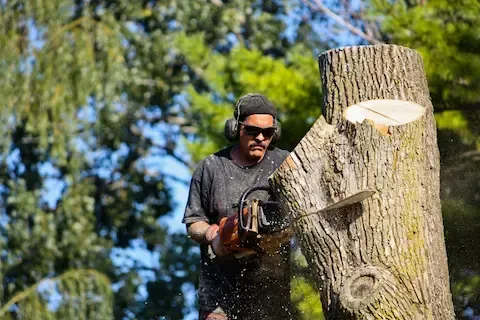
Our certified crews provide safe, efficient tree removal throughout Oregon City, handling everything from small ornamentals to massive Douglas firs while managing permits and protecting your property.
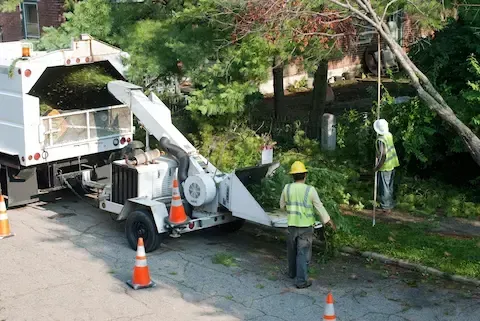
Our ISA-certified arborists deliver precision pruning that enhances tree health, structural integrity, and aesthetic appeal while addressing Oregon City's specific climate challenges and storm preparation needs.
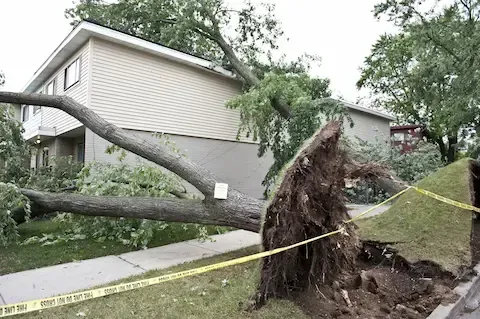
When ice storms strike or trees fail unexpectedly, our emergency response team provides immediate assessment and safe removal to protect Oregon City properties and restore access.
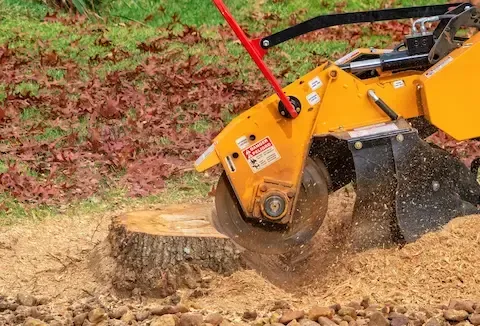
Our stump grinding services eliminate unsightly remnants and reclaim usable space, grinding stumps to 8-12 inches below grade for Oregon City properties ready for landscaping or construction.
Our certified arborists diagnose and treat the diseases and health challenges threatening Oregon City trees, from drought stress to fungal infections specific to Willamette Valley conditions.
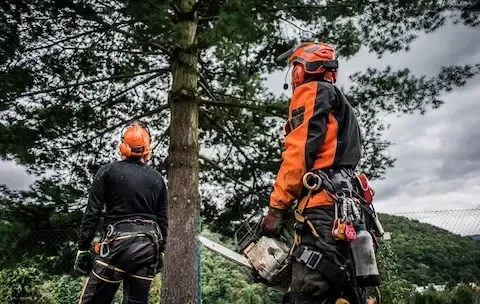
Our ISA-certified arborists provide expert consultations for Oregon City property owners, delivering professional tree assessments, risk evaluations, and management recommendations backed by industry credentials.
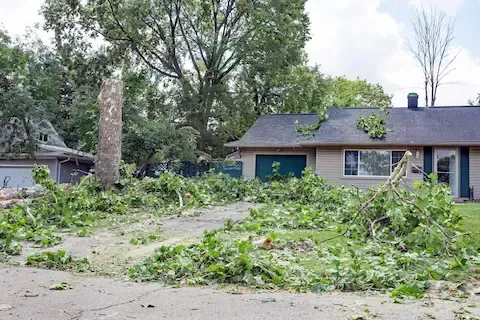
After winter storms impact Oregon City, our experienced crews provide comprehensive damage assessment, hazard mitigation, and complete property cleanup to restore safety and accessibility.
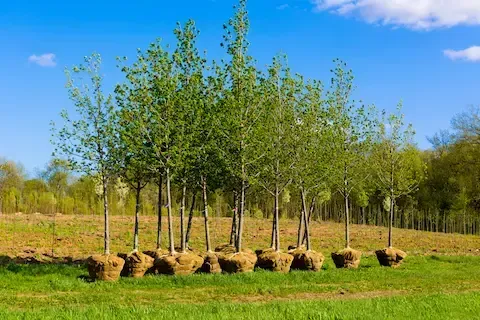
Our arborists help Oregon City property owners select and plant trees suited to local climate challenges, ensuring long-term success through species matching and proper installation techniques.
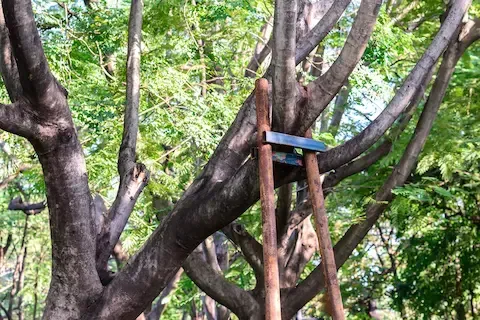
Our certified crews install cable and brace systems that support structurally compromised Oregon City trees, preventing failure during wind and ice events while preserving valuable specimens.
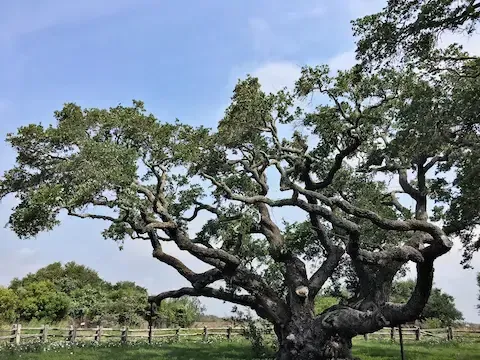
We navigate Oregon City's tree removal permits and Heritage Tree regulations for property owners, managing applications and compliance requirements to ensure legal, approved tree work.
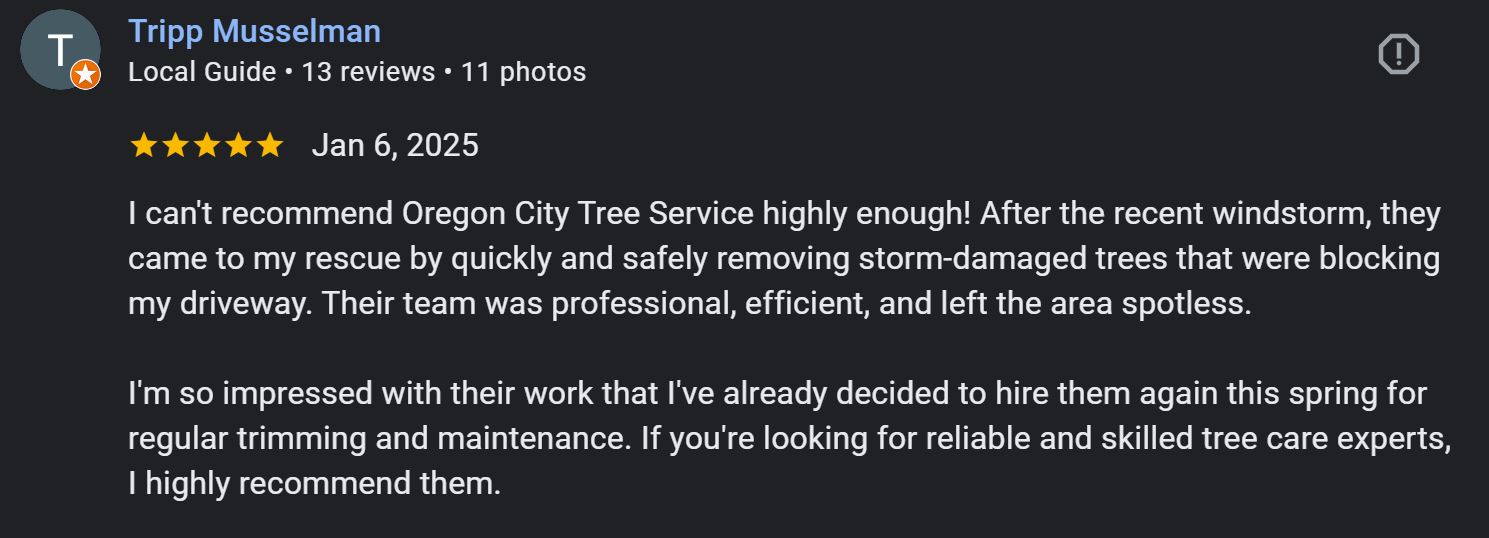
What Our Satisfied Clients Have to Say About Oregon City Tree Service
We pride ourselves on delivering great results and experiences for each client. Hear directly from home and business owners who’ve trusted us with their Tree Care needs. Read more about us here


The Trusted Tree Care Expert Near You
Ready to hear more about expert services at Oregon City Tree Service?
Contact us today to receive a detailed, no-obligation quote.
More About Tree Health & Disease Management
We share helpful articles to answer common questions, explain options, and give a better sense of what to expect. Whether you’re taking care of your own home or responsible for a larger property, these resources are meant to make planning and decision-making a little easier.
Licensed & Insured

8am-6pm, Mon-Fri