Oregon City Heritage Tree List and Protection Rules Today
Oregon City holds a rare place in Pacific Northwest history — the first incorporated city west of the Rockies, with a tree canopy to match its age. Towering Oregon white oaks, massive Douglas firs, and ancient western red cedars shade the McLoughlin Historic District, the bluffs above Abernethy Creek, and dozens of residential lots throughout the city. Many of these trees have stood for well over a century. To protect them, Oregon City maintains a formal heritage tree program with a designated list, enforceable protections, and a permitting process that property owners must navigate before pruning, topping, or removing any listed specimen.
What the Oregon City Heritage Tree List Actually Is
The heritage tree list is an official registry maintained by the City of Oregon City Parks Department and administered under the city's municipal code. Trees are nominated by residents, city staff, or neighborhood associations and evaluated on criteria including age, size, historical significance, species rarity, and ecological value. Once a tree is accepted onto the list, it receives a formal designation and permanent signage, and its removal or significant alteration becomes a regulated action requiring city approval.
The list is not static. New nominations are reviewed periodically, and trees can be added as their significance becomes recognized. If you live in a neighborhood like Canemah, Barclay Hills, or near the End of the Oregon Trail Interpretive Center, there is a reasonable chance that a large tree on or near your property may already be listed or eligible for nomination.
Which Species Are Most Commonly Listed
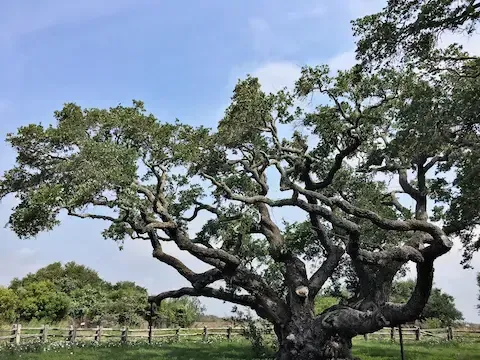
Oregon City's heritage tree inventory skews toward native species that reflect the Willamette Valley's original landscape. Oregon white oak is among the most frequently listed species, valued for its slow growth rate, longevity, and role as a keystone species for local wildlife. A mature white oak in Oregon City may be 200 or more years old, predating the city itself. Douglas fir and western red cedar are also well represented, particularly on properties backing to natural slopes or riparian corridors.
Non-native specimens can qualify as well if they meet size, age, or historical thresholds. A large copper beech or sequoia planted in the 1880s or 1890s, for example, may hold enough historical significance to meet designation criteria, especially if it is associated with a documented property or figure in the city's early settlement period.
Protection Rules and What They Mean for Property Owners
If a tree on your property appears on the heritage list, your options for modifying it are significantly limited compared to non-listed trees. Oregon City's code requires a heritage tree permit before any of the following actions:
Removal of the tree entirely
Topping or removal of major structural limbs
Root zone excavation within the critical root zone
Any ground disturbance tied to construction within the drip line
Minor maintenance pruning for health and safety — removing dead wood, crossing branches, or diseased limbs — is generally allowed without a permit, but the line between routine maintenance and significant alteration can be narrow. When in doubt, contact the city's planning or parks department before scheduling work. Proceeding without the required permits can result in fines, stop-work orders, and in serious cases, requirements to mitigate damage through replacement plantings or payments into a tree fund.
For detailed information on when a permit is required more broadly across the city, our breakdown of when you need a tree permit in Oregon City covers the thresholds for both heritage and standard regulated trees.
How to Apply for a Heritage Tree Permit
The permit process begins with an application to the Oregon City planning department. You will typically need to provide documentation including the tree's location, the proposed work, the reason for the request, and in most cases, a written assessment from a certified arborist explaining why the action is necessary. For removal requests in particular, the city looks for evidence that the tree poses a documented safety risk, is dying from disease or structural failure, or creates a conflict that cannot be resolved through pruning or cabling.
The review process can take several weeks, and approval is not guaranteed. The city may require an independent review by its own arborist staff before making a determination. In cases where removal is approved, mitigation in the form of replacement trees is commonly required, with species and size specifications set by the city. Our walkthrough of the heritage tree permit process for property owners covers what the application asks for and how long each stage typically takes.
What Happens If You Are Not Sure Whether a Tree Is Listed
Oregon City does not always make it immediately obvious which trees are on the heritage list, particularly if signage has been damaged or removed over time. If you are purchasing property in the McLoughlin Historic District, the Canemah neighborhood, or any older section of the city, it is worth requesting a heritage tree status check from the planning department before closing. Inheriting a heritage tree obligation is not a reason to avoid a property, but it does change how you plan and budget for tree care.
A certified arborist familiar with Oregon City's code can also help you assess the situation before any work begins. Working with someone who understands the local permitting landscape will save you time and reduce the risk of accidental violations. If you need professional guidance on a tree that may be listed or approaching designation thresholds, our heritage tree care services care services are available to property owners navigating this process.
Practical Considerations for Long-Term Care
Heritage tree status is not a burden so much as a shared responsibility. The city recognizes that private property owners who steward these trees are performing a public service — maintaining specimens that provide shade, wildlife habitat, stormwater infiltration, and historical continuity for the broader community. In some cases, the city or local organizations may offer resources to support maintenance costs for designated trees, though availability varies by year and budget cycle.
Proactive care is the most effective strategy. Heritage trees that receive regular arborist assessments, structural pruning, and soil health monitoring are far less likely to reach the point where removal becomes necessary. Many of the oaks and firs standing in Oregon City today have survived because of consistent, knowledgeable attention over generations. Your role as a current steward continues that legacy.
