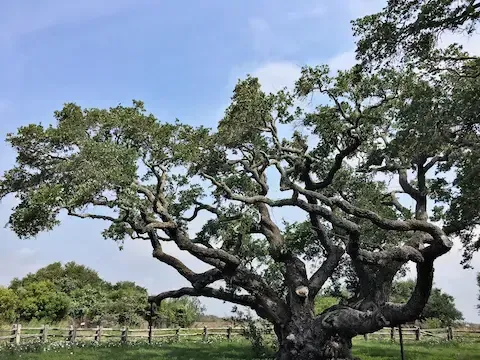
Heritage Tree Permit Process for Oregon City Owners
Understanding Oregon City's Heritage Tree Protection Framework
Oregon City maintains one of the most comprehensive heritage tree protection programs in the Pacific Northwest, designed to preserve significant trees that contribute to the community's natural character and environmental health. The heritage tree permit process serves as a critical checkpoint for property owners planning work around these protected specimens, ensuring that removal or modification decisions align with the city's conservation goals while respecting legitimate property management needs.
The designation of heritage trees follows specific criteria established by the Oregon City Municipal Code, which considers factors such as trunk diameter, species rarity, historical significance, and ecological value. Trees earning heritage status receive protection through a permitting system that requires careful documentation and professional assessment before any modification or removal can proceed.
Property owners discovering heritage trees on their land face a structured process that balances preservation priorities with practical property management considerations. Understanding this framework from the outset helps avoid costly delays and ensures compliance with local regulations while protecting these valuable community assets.
Qualifying Criteria for Heritage Tree Status
Oregon City's heritage tree designation applies to specimens meeting specific size and significance thresholds established in the municipal code. Native species such as Douglas Fir, Western Red Cedar, and Oregon White Oak qualify for heritage status when they reach 30 inches in diameter at breast height, while non-native species require a 36-inch diameter measurement to earn protection.
Beyond size requirements, trees gain heritage status through historical significance, exceptional specimen quality, or unique ecological value to the Oregon City community. Grove formations and rare species may qualify regardless of individual trunk measurements, particularly when they contribute to significant urban forest canopy or serve critical wildlife habitat functions.
The city maintains an updated inventory of known heritage trees, though property owners remain responsible for identifying potential heritage specimens during project planning phases. Professional arborists familiar with Oregon City's criteria can provide preliminary assessments to determine whether proposed work areas contain protected trees requiring permits.
Species-Specific Considerations
Different tree species face varying levels of protection under Oregon City's heritage tree program. Native conifers receive the strongest protection due to their ecological importance and slow growth rates, while deciduous natives and adapted non-natives fall under modified criteria that consider replacement potential and community benefit.
Fruit trees and ornamental species rarely qualify for heritage protection unless they demonstrate exceptional size, age, or historical significance. However, property owners should verify status through official channels rather than making assumptions based on species alone, as individual specimens may have earned protection through unique circumstances.
Required Documentation and Application Materials
The Oregon City heritage tree permit application requires comprehensive documentation demonstrating the necessity and appropriateness of proposed work. Applications must include detailed site plans showing the heritage tree's location relative to existing structures, utilities, and property boundaries, along with accurate measurements of the trunk diameter and canopy spread.
Professional arborist reports form the cornerstone of heritage tree permit applications, providing expert analysis of tree health, structural integrity, and risk assessment. These reports must come from certified arborists licensed to practice in Oregon, with specific training in tree risk evaluation and species-appropriate care recommendations.
Photographic documentation supplements written materials, showing the tree's current condition from multiple angles and highlighting any structural defects, disease symptoms, or interference issues that support the permit request. High-quality images help city reviewers understand site conditions and make informed decisions about permit approval.
Property owners must also provide proof of ownership or authorized agent status, along with contact information for neighbors within the notification radius. The application process includes a public notice period, requiring applicants to post conspicuous signs on the property informing community members about the proposed heritage tree work.
Professional Assessment Requirements
Arborist reports for heritage tree permits must address specific evaluation criteria established by Oregon City regulations. Risk assessment components include structural defect analysis, disease or pest damage evaluation, and proximity concerns related to buildings, utilities, or public safety areas.
Alternative preservation options receive mandatory consideration in professional reports, including crown reduction, selective pruning, root management, or infrastructure modification that might eliminate the need for heritage tree removal. Reports must demonstrate that less invasive approaches have been thoroughly evaluated before recommending removal as the preferred solution.
Timeline and Review Process
Oregon City heritage tree permit applications follow a structured review timeline designed to ensure thorough evaluation while minimizing unnecessary delays for property owners. Standard applications require a minimum 30-day review period from the date of complete submission, though complex cases involving significant trees or controversial removals may extend beyond this timeframe.
The initial review phase focuses on application completeness and compliance with submission requirements. City staff verify that all required documentation has been provided, that professional reports meet established standards, and that public notification requirements have been fulfilled according to municipal code specifications.
Technical review involves evaluation of the arborist report, assessment of alternative preservation options, and consideration of the tree's contribution to community forest canopy goals. City arborists or consulting professionals may request additional information or site visits to clarify specific technical issues raised during the evaluation process.
Public comment periods allow community input on heritage tree permit applications, particularly for removals involving prominent specimens or trees with recognized historical significance. Property owners should be prepared to address neighbor concerns and demonstrate that their proposal serves legitimate property management needs.
Approval Conditions and Requirements
Approved heritage tree permits typically include specific conditions governing work execution, replacement plantings, and ongoing monitoring requirements. Removal permits often mandate planting multiple replacement trees of appropriate species, with size and number specifications based on the heritage tree's calculated value to the community forest.
Work timing restrictions may apply to protect nesting birds, prevent soil compaction during wet periods, or coordinate with utility maintenance schedules. Permits specify approved work methods, required safety measures, and professional supervision requirements for complex removal or modification projects.
Common Application Challenges and Solutions
Property owners frequently encounter challenges related to incomplete documentation or insufficient justification for proposed heritage tree work. Applications lacking detailed arborist reports or failing to address preservation alternatives face automatic delays while additional information is gathered and submitted.
Public opposition represents another common challenge, particularly for removal applications involving visible or historically significant trees. Successful applicants typically invest time in community engagement, clearly communicating the necessity of their proposal and demonstrating good faith efforts to explore less invasive alternatives.
Technical disputes regarding tree health assessment or risk evaluation may arise when property owner reports conflict with city staff opinions. Independent third-party evaluation can help resolve these disagreements, though applicants should budget for additional professional fees when technical issues become complex.
Coordination with utility companies, building contractors, and neighboring property owners adds complexity to heritage tree permit applications. Early communication with all stakeholders helps identify potential conflicts and develop solutions before formal permit submission, reducing the likelihood of delays or complications during the review process.
Expediting the Application Process
Property owners can streamline heritage tree permit applications by engaging qualified professionals early in the planning process. Certified arborists familiar with Oregon City requirements can provide preliminary assessments, identify potential issues, and ensure that submitted reports meet all technical specifications.
Pre-application consultations with city staff offer opportunities to clarify requirements, discuss specific site challenges, and identify potential solutions before formal submission. These informal meetings help applicants understand reviewer expectations and avoid common pitfalls that cause application delays.
Cost Considerations and Fee Structure
Oregon City heritage tree permit fees reflect the administrative costs associated with application review, site evaluation, and public notification requirements. Basic application fees typically range from several hundred to over a thousand dollars, depending on the complexity of the proposed work and the number of trees involved.
Professional arborist reports represent a significant additional expense, with costs varying based on tree complexity, site accessibility, and report detail requirements. Property owners should obtain quotes from multiple certified arborists to ensure competitive pricing while maintaining report quality standards.
Replacement planting requirements add substantial costs to heritage tree removal permits, particularly when large specimens require multiple replacement trees or specialized planting techniques. Native species preferences and specific size requirements may limit supplier options and increase material costs.
Permit modification or appeal processes incur additional fees, making thorough initial application preparation a cost-effective investment. Property owners benefit from investing in quality professional services upfront rather than attempting to economize on documentation that may require expensive revisions later.
Legal Obligations and Compliance Requirements
Oregon City heritage tree regulations carry legal weight, with violations subject to significant fines and enforcement actions. Property owners must obtain permits before beginning any work that might affect heritage trees, including construction activities, utility installations, or landscape modifications within the protected root zone.
Unpermitted heritage tree removal constitutes a violation of municipal code, potentially resulting in fines exceeding the tree's calculated replacement value. Repeat violations or particularly egregious cases may face additional penalties, including required restoration work or restrictions on future development activities.
Due diligence requirements extend to contractors and other agents working on behalf of property owners. Hiring contractors unfamiliar with heritage tree protections does not excuse violations, making property owner education and contractor vetting essential components of compliance.
Documentation retention requirements mandate keeping permit records, professional reports, and compliance certificates for extended periods following work completion. These materials may be requested during property transfers, insurance claims, or future development applications affecting the same site.
Enforcement and Violation Consequences
Oregon City employs proactive enforcement measures to protect heritage trees, including regular inspections and citizen reporting programs. Code enforcement officers investigate suspected violations and have authority to issue stop-work orders for unpermitted activities affecting protected trees.
Violation penalties reflect the community value of heritage trees, with replacement cost calculations including species rarity, mature size, and ecological contribution factors. Property owners may face requirements to plant multiple replacement trees, install professional irrigation systems, and provide extended maintenance guarantees.
Working with Professional Tree Services
Selecting qualified tree service providers familiar with Oregon City heritage tree regulations ensures compliance and reduces permit application complications. Professional tree services experienced in heritage tree work understand documentation requirements, approved work methods, and coordination procedures with city staff.
Certified arborists provide essential expertise in heritage tree assessment, offering objective analysis of tree condition and appropriate care recommendations. Their professional reports carry significant weight in permit applications, making arborist selection a critical decision for property owners pursuing heritage tree permits.
Established tree service companies maintain relationships with local suppliers, understand native species availability, and can coordinate replacement planting requirements efficiently. They also provide ongoing maintenance services to ensure replacement trees establish successfully and meet permit compliance requirements.
For property owners dealing with emergency situations involving heritage trees, professional tree services can provide immediate hazard assessment and coordinate with city staff to obtain expedited permits when public safety concerns require immediate action. Understanding when emergency provisions apply and how to access them properly can prevent violations while addressing urgent safety needs.
Many Oregon City residents have discovered the importance of professional guidance when navigating more on storm damage cleanup across their properties, particularly when heritage trees have suffered damage requiring careful evaluation and potential permit applications for remedial work.
