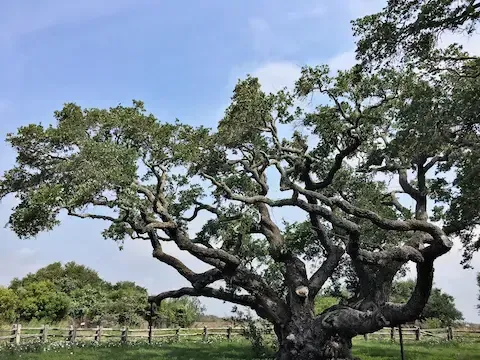
Do You Need a Tree Permit Across Oregon City Yards
You need a tree permit in Oregon City if you're removing any heritage tree (24+ inches diameter), any tree within sensitive overlay zones like steep slopes or wetlands, or most trees on commercial properties in the downtown core. Residential properties outside overlay zones typically don't require permits for standard removals, but heritage trees always need city approval regardless of location.
What Makes a Tree Require a Permit in Oregon City?
Oregon City's tree permit requirements depend on three main factors: tree size, property location, and zoning designation. Any tree measuring 24 inches or greater in diameter at breast height automatically qualifies as a heritage tree permit assistance requiring removal permits. The city measures diameter at 4.5 feet above ground level, and this threshold applies citywide regardless of property type or zoning.
Location within sensitive overlay zones triggers permit requirements for trees of any size. These overlays include steep slope areas, wetland buffers, floodplains, and areas designated for natural resource protection. If your property falls within any overlay zone, you'll need city approval before removing trees, even smaller specimens that wouldn't normally require permits.
Commercial and mixed-use properties face stricter requirements, particularly in the downtown core and along major corridors like McLoughlin Boulevard and Highway 99E. Most tree removals on these properties require permits, regardless of tree size, as part of Oregon City's urban forest preservation strategy.
Which Properties Face the Strictest Permit Requirements?
Commercial properties in Oregon City's Central Core and Historic Downtown districts face the most comprehensive permit requirements. Any tree removal in these zones requires city review, regardless of tree size or condition. This includes businesses along Main Street, properties near the Oregon City Municipal Elevator, and developments in the McLoughlin Historic District.
Properties within the Comprehensive Plan's Natural Resource Overlay also face strict requirements. These areas include steep slopes exceeding 25% grade, areas within 50 feet of streams or wetlands, and properties designated as significant natural areas. Homeowners in neighborhoods like Forest Highlands, areas near the Clackamas River, or properties backing up to Mount Scott Creek often fall under these restrictions.
Multi-family residential properties face intermediate requirements. Apartment complexes, condominiums, and townhome developments typically need permits for heritage tree removal and may face additional requirements if located within overlay zones or near sensitive environmental features.
How Does Oregon City Define Heritage Trees?
Oregon City's heritage tree definition centers on diameter measurement rather than species or age. Any tree reaching 24 inches diameter at breast height (DBH) qualifies as heritage, triggering permit requirements for removal or significant pruning. The city measures DBH at exactly 4.5 feet above the natural grade, using the trunk's narrowest point if the tree has an irregular shape at that height.
For multi-trunk trees, Oregon City combines the diameter of all trunks measured at ground level. If the combined measurement exceeds 24 inches, the entire tree system receives heritage designation. This commonly affects native species like big-leaf maples that naturally develop multiple trunks.
Heritage designation applies regardless of tree health, species, or location. Dead, diseased, or hazardous trees still require removal permits if they meet size thresholds. However, emergency removals for imminent safety hazards may receive expedited review or retroactive approval in extreme circumstances.
What Situations Allow Emergency Tree Removal Without Permits?
Oregon City allows emergency tree removal without prior permits only when trees pose immediate threats to life or property. This includes trees actively falling, completely uprooted trees blocking roads or damaging structures, or trees with major structural failures creating imminent hazards. The emergency exception requires documentation and retroactive permit applications within specific timeframes.
Storm damage doesn't automatically qualify for emergency removal. Damaged trees that remain standing typically require standard permit processes unless they pose immediate hazards. Property owners must demonstrate urgent safety concerns rather than convenience or aesthetic preferences.
Even emergency removals have limitations. You can remove only the minimum necessary to eliminate immediate danger. If a heritage tree splits but doesn't threaten structures, you might receive approval for hazardous limb removal while requiring permits for complete removal.
For detailed guidance on permit applications and processing requirements, homeowners should review how the heritage tree permit process works to understand timeline expectations and required documentation.
How Do Overlay Zones Affect Permit Requirements?
Oregon City's overlay zones impose additional tree protection requirements beyond basic heritage tree rules. The Natural Resource Overlay affects properties near streams, wetlands, and steep slopes, requiring permits for any tree removal regardless of size. Properties in these zones often need ecological impact assessments and mitigation plans for approved removals.
Steep Slope Overlay zones, common in areas near the Willamette River bluffs and around Mount Scott, restrict tree removal to prevent erosion and landslide risks. These zones typically require geotechnical review for any tree removal, as roots provide crucial slope stabilization.
Historic Overlay zones focus on maintaining neighborhood character rather than environmental protection. Tree removals in historic districts like Canemah or the McLoughlin Conservation District face review for visual impact and compatibility with historic preservation goals.
What Documentation Do Permit Applications Require?
Standard permit applications require property surveys showing exact tree locations, professional diameter measurements, and detailed removal justifications. Oregon City accepts measurements from certified arborists, landscape architects, or licensed contractors, but amateur measurements often face additional verification requirements.
Tree condition assessments become crucial for heritage tree permits. Applications must include professional evaluations of tree health, structural integrity, and safety concerns. Photographs documenting tree condition, property damage, or safety hazards strengthen permit applications.
Replacement plans may be required for approved heritage tree removals. Oregon City often mandates planting replacement trees of specified sizes and species, particularly on commercial properties or in environmentally sensitive areas. Replacement requirements vary based on the removed tree's size and the property's zoning designation.
What Are the Penalties for Unpermitted Tree Removal?
Unpermitted heritage tree removal in Oregon City carries significant financial penalties. Fines typically range from $500 to $5,000 per tree, with additional requirements for replacement plantings at property owner expense. The city may require planting multiple replacement trees for each illegally removed heritage specimen.
Repeat violations or particularly egregious cases may face enhanced penalties. Commercial properties face higher fine structures, and removal of multiple heritage trees without permits can result in stop-work orders for ongoing development projects.
Beyond monetary penalties, unpermitted removals can complicate future development approvals. Oregon City maintains records of tree violations, which may influence permit reviews for property modifications, additions, or commercial developments.
