What Is Killing My Maple Tree in Oregon City Backyard
What is killing your maple tree in your Oregon City backyard is most likely verticillium wilt, anthracnose, or sun scald — especially on bigleaf maples stressed by Willamette Valley summer drought. Verticillium wilt blocks water movement inside the tree, causing branch dieback from the top down. Anthracnose is a fungal disease triggered by wet Oregon springs that creates brown leaf patches and early drop. Sun scald damages bark on south-facing sides during dry summers. Identifying which problem you have early gives you the best chance of saving the tree through proper disease management.
What Does Verticillium Wilt Look Like on a Maple?
Verticillium wilt is a soilborne fungal disease that attacks maples through the root system and spreads into the sapwood. In Oregon City yards, it shows up as sudden wilting on one or two major branches while the rest of the tree looks healthy. Leaves on affected branches turn yellow or brown and stay attached rather than falling. If you cut a small branch from a wilted section and look at the cross-section, you may see a green or brown ring or streak in the wood beneath the bark. That discoloration is a reliable sign of verticillium. Unfortunately, once the fungus is established in your soil, it can persist for years. The goal shifts from elimination to managing tree stress so the maple can compartmentalize the infection and survive long-term.
Could Anthracnose Be the Problem in a Wet Spring?
If your maple's leaves developed brown blotches along the veins in late April or May, anthracnose is a strong candidate. Oregon City's wet spring weather creates ideal conditions for this fungal disease, which spreads through rainwater splashing spores from leaf to leaf. Bigleaf maples are particularly susceptible. You'll notice irregular tan or brown patches, often following the leaf veins, and severe cases cause early defoliation. The good news is that most established maples survive anthracnose without permanent damage. Raking and removing fallen leaves breaks the disease cycle for the following year. Avoid overhead watering and improve air circulation by thinning interior branches where possible. For more on douglas fir root rot and other fungal root diseases that affect Pacific Northwest trees in similar soil conditions, that post covers overlapping risk factors worth reviewing.
What Is Sun Scald and Does It Kill Maples?
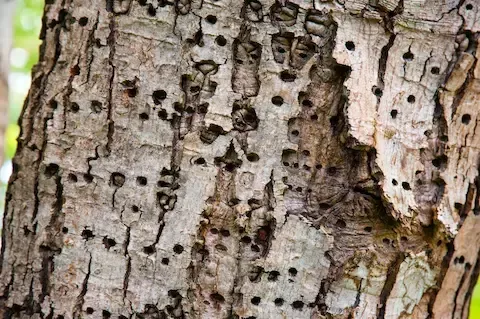
Sun scald targets the southwest-facing bark of maples during dry Oregon City summers when intense afternoon heat exceeds what the bark can handle. You'll see a sunken, cracked, or discolored patch of bark running vertically on the exposed side of the trunk. In young or recently transplanted maples, sun scald can girdle a section of bark and interrupt the flow of nutrients and water. Older established trees usually survive isolated sun scald, but repeated damage over multiple dry summers weakens the tree significantly and opens entry points for secondary pathogens. Wrapping young trunks and ensuring adequate summer water during drought periods are the most effective preventive steps for Oregon City maples.
Are There Other Diseases Common to Oregon City Maples?
Beyond the three primary culprits, Oregon City maple owners occasionally see tar spot, powdery mildew, and root rot. Tar spot produces striking black raised spots on leaves and looks alarming but rarely causes serious long-term damage. Powdery mildew appears as a white coating on leaf surfaces during warm days with cool nights — typical of late summer in the Willamette Valley. Root rot caused by Phytophthora or Armillaria fungus is more serious, typically producing general canopy decline, small pale leaves, and weeping or cracked bark near the soil line. If you dig near the base and find white fan-shaped fungal mats under the bark, Armillaria root rot is likely present and prognosis for the tree becomes more guarded.
How Do You Know If the Tree Can Be Saved?
The answer depends on how much of the tree is affected and how long the disease has been progressing. A maple showing dieback in one or two branches with a healthy remaining crown has a reasonable chance of recovery with proper care, reduced soil compaction, adequate irrigation during dry summers, and removal of dead wood. A maple where more than fifty percent of the canopy has died back, where the trunk shows extensive bark damage at multiple points, or where roots are actively rotting has a much lower probability of long-term survival. An arborist assessment in Oregon City includes inspecting root collar condition, probing soil moisture and compaction, evaluating sapwood staining patterns, and reviewing the site history to make an honest prognosis before recommending treatment or removal.
What Should You Do First If Your Maple Is Declining?
Start by documenting what you see — photograph the canopy, the bark, the leaves, and any visible fungal growth near the base. Note when symptoms first appeared and whether they spread from one area or showed up across the whole tree at once. That pattern tells an arborist a great deal about likely causes. Next, stop any unnecessary soil disturbance or root zone compaction. Avoid adding thick mulch piles directly against the trunk. Water deeply but infrequently during summer drought rather than shallow watering that keeps surface soil wet and promotes fungal activity. Then contact a certified arborist familiar with Oregon City conditions who can walk the site and confirm the diagnosis before you invest in treatments that may not match the actual problem.
