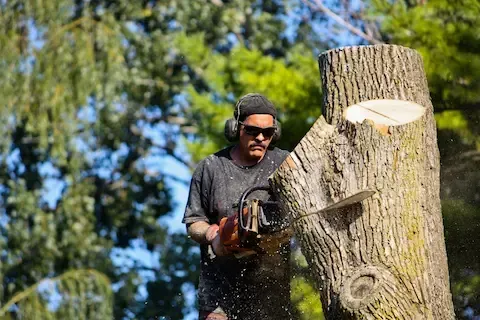
Tree Removal in Oregon City Complete Homeowner Walkthrough
Tree removal in Oregon City requires careful planning from initial assessment through final cleanup. Most homeowners underestimate the complexity involved in safely removing mature trees from residential properties. The process involves permit verification, utility line clearance, equipment access planning, and proper disposal methods that comply with Clackamas County regulations.
Initial Assessment and Planning Phase
Professional tree assessment forms the foundation of any successful removal project. Certified arborists evaluate tree health, structural integrity, and potential hazards to surrounding property. This assessment determines removal complexity and influences equipment requirements.
Tree species identification affects removal techniques significantly. Douglas fir and oak trees common in Oregon City require different approaches due to wood density and branching patterns. Hazard trees showing signs of disease or structural damage need immediate attention and may qualify for emergency removal protocols.
Property survey considerations include identifying underground utilities, septic systems, and irrigation lines. Oregon 811 utility marking services must be contacted before any digging occurs. Professional crews verify utility locations and plan access routes that minimize landscape damage.
Weather conditions play a crucial role in scheduling removal work. Oregon City's wet winter months create challenging conditions for heavy equipment operation. Spring and early summer provide optimal working conditions with stable ground and predictable weather patterns.
Permit Requirements and Regulatory Compliance
Oregon City tree removal permits vary based on tree size, species, and location within the property. Trees exceeding 12 inches in diameter typically require removal permits through the city planning department. Heritage trees and those within sensitive environmental zones face additional restrictions.
Permit applications require detailed site plans showing tree locations, property boundaries, and proposed removal methods. Processing times range from two to six weeks depending on application complexity and city workload. Emergency removals for hazard trees may receive expedited processing.
Neighborhood association covenants sometimes impose additional tree removal restrictions beyond city requirements. Some Oregon City subdivisions require architectural committee approval before removing significant trees. Homeowners should review HOA documentation before proceeding with removal plans.
For specific requirements and application procedures, see when you need a tree permit in Oregon City and confirm against current city ordinances.
Equipment and Access Considerations
Crane access requirements depend on tree size, location, and surrounding obstacles. Large trees near structures typically require crane assistance for safe piece-by-piece removal. Crane operators need level ground and adequate clearance for boom operation and load placement.
Yard access limitations affect equipment selection and removal costs. Narrow gates, overhead power lines, or soft ground conditions may restrict heavy equipment use. Climbing techniques become necessary when mechanical access is impossible, increasing labor time and project costs.
Ground protection measures prevent landscape damage during heavy equipment operation. Plywood mats, steel plates, or specialized track pads distribute equipment weight across lawn areas. These protection measures are especially important in Oregon City's clay soils that compact easily when wet.
Debris removal planning affects project timeline and costs significantly. Large trees generate substantial wood volumes requiring multiple truck loads for disposal. Homeowners should clarify whether debris removal is included in quoted prices or represents additional charges.
Safety Protocols and Risk Management
Professional safety standards require comprehensive hazard assessment before beginning removal work. Certified arborists identify potential risks including structural instability, power line proximity, and falling object zones. Safety equipment including hard hats, eye protection, and cut-resistant clothing is mandatory for all crew members.
Power line clearance represents the most serious safety concern in residential tree removal. Trees within ten feet of electrical lines require utility company notification and possible service disconnection. Only qualified line clearance arborists should work near energized conductors.
Fall zone calculations determine safe working distances for crew members and property protection. Professional crews establish exclusion zones preventing unauthorized access during active removal operations. Neighboring properties may require temporary protection from falling debris.
Insurance verification ensures adequate coverage for property damage and worker injuries. Reputable tree removal contractors carry comprehensive liability insurance and workers compensation coverage. Homeowners should verify current insurance certificates before authorizing work to begin.
Cost Factors and Pricing Structure
Tree removal costs in Oregon City vary widely based on multiple factors including tree size, location complexity, and disposal requirements. Small trees under 30 feet typically cost $300-800 for complete removal. Medium trees ranging 30-60 feet average $800-1500, while large trees exceeding 60 feet can cost $1500-4000 or more.
Additional cost factors include permit fees, crane rental, stump grinding, and debris disposal. Emergency removals during storms command premium pricing due to increased safety risks and equipment demands. Multiple tree removals often qualify for package pricing discounts.
Stump removal options affect total project costs significantly. Basic stump cutting below ground level costs less than complete grinding and removal. Chemical stump treatment provides an economical alternative but requires months for full decomposition.
Seasonal pricing variations reflect demand fluctuations throughout the year. Spring scheduling often commands higher prices due to increased demand following winter storm damage. Off-season scheduling during late fall or winter may offer cost savings for non-emergency removals.
Payment Terms and Contract Details
Professional contractors typically require signed contracts specifying work scope, pricing, and completion timelines. Payment schedules vary but commonly include deposit requirements with final payment upon satisfactory completion. Avoid contractors demanding full payment upfront or operating without proper licensing.
Contract specifications should detail cleanup responsibilities, debris disposal methods, and property restoration requirements. Clear documentation prevents disputes regarding work scope and final expectations. Change orders for additional work should be documented in writing with agreed pricing.
Post-Removal Considerations
Landscape restoration planning begins immediately following tree removal completion. Exposed areas may require soil amendments, seeding, or replanting to prevent erosion and maintain aesthetic appeal. Oregon City's rainy climate necessitates prompt revegetation to establish ground cover.
Utility service restoration ensures proper reconnection if temporary disconnections were required. Homeowners should verify all services are functioning properly before contractor departure. Any utility damage discovered after completion may require additional repair costs.
Neighbor relationship management becomes important when removal projects affect adjacent properties. Professional crews minimize impacts through careful debris placement and prompt cleanup. Advance notification to neighbors demonstrates consideration and prevents complaints.
Future tree planning considerations include species selection appropriate for Oregon City's climate and soil conditions. Native species like Oregon white oak or Pacific dogwood provide ecological benefits while requiring less maintenance than non-native alternatives.
Emergency Removal Situations
Storm damage assessment requires immediate professional evaluation to determine public safety risks. High winds, ice storms, and heavy snow can compromise tree stability, creating urgent removal needs. Emergency services operate 24/7 but command premium pricing due to increased safety risks.
Insurance claim procedures for storm-damaged trees require proper documentation including photographs and professional assessments. Most homeowner policies cover removal costs for trees damaging structures but may not cover landscape restoration. Insurance adjusters often require multiple estimates for claim processing.
Temporary stabilization measures may be necessary when immediate removal is impossible due to weather or equipment availability. Professional crews can cable or brace damaged trees to prevent further movement while arranging proper removal equipment and scheduling.
Environmental and Legal Responsibilities
Wood disposal regulations in Clackamas County prohibit burning green wood or disposing of large volumes in residential garbage collection. Professional contractors typically handle disposal through authorized facilities or recycling programs. Some companies offer firewood processing services for homeowner use.
Neighbor property protection requires careful planning and execution to prevent damage claims. Professional contractors carry appropriate insurance coverage but homeowners share responsibility for selecting qualified service providers. Property line disputes can complicate removal projects requiring legal boundaries clarification.
Wildlife habitat considerations may affect removal timing, particularly during nesting seasons. Oregon City's urban forest provides habitat for various bird species protected under federal regulations. Removal scheduling should avoid active nesting periods when possible.
Replacement tree requirements under city ordinances may mandate replanting following removal of significant trees. These requirements aim to maintain urban canopy coverage and environmental benefits. Homeowners should understand replacement obligations before proceeding with removal projects.
