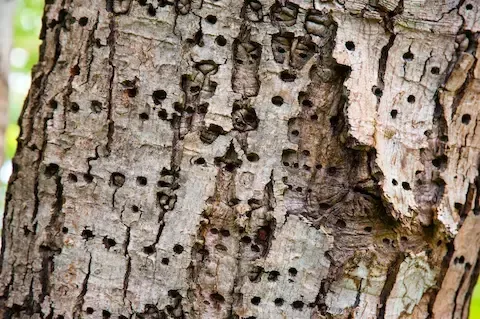
Tree Disease Management Across Oregon City Clackamas
Oregon City's unique position along the Willamette River creates ideal conditions for both tree growth and disease development. The combination of wet winters, mild summers, and diverse soil types throughout Clackamas County creates distinct challenges for maintaining healthy trees. Understanding these regional disease patterns helps property owners make informed decisions about prevention, early intervention, and professional treatment options.
Common Tree Diseases in Oregon City
Douglas fir root rot represents the most significant threat to conifers throughout the Oregon City area. This fungal disease thrives in the region's heavy clay soils and prolonged winter moisture. Infected trees typically show yellowing needles, sparse crown growth, and eventual die-back from the top down. The disease spreads through root contact between adjacent trees, making early detection crucial for preventing widespread damage.
Oak leaf blight affects both native Oregon white oak and ornamental oak species commonly planted in residential landscapes. The disease appears as brown spots on leaves during late spring, eventually causing premature leaf drop. While rarely fatal, repeated infections weaken trees and make them susceptible to other stressors common in the Pacific Northwest climate.
Maple cankers present another frequent concern for Oregon City property owners. These fungal infections create sunken, discolored areas on trunks and branches, often following winter frost damage or mechanical injury. Big leaf maples and ornamental varieties show particular vulnerability during the transition between wet and dry seasons.
Apple scab affects fruit trees throughout Clackamas County, causing dark spots on leaves and fruit. The disease spreads rapidly during spring rains, making preventive treatments essential for maintaining productive orchards and ornamental crabapples.
Environmental Conditions Contributing to Disease
Oregon City's elevation changes from the Willamette River floodplain to the surrounding hills create microclimates that influence disease development. Lower elevations experience longer periods of leaf wetness, promoting fungal spore germination. Properties near Clackamette Park and along the riverfront face increased humidity levels that extend infection periods.
Soil drainage varies significantly across the city, with poorly draining areas along Beaver Creek and other waterways creating conditions favorable to root diseases. Clay soils common in established neighborhoods retain moisture longer, increasing fungal activity during winter months.
The regional climate pattern of wet winters followed by dry summers stresses trees and creates entry points for pathogens. Sudden temperature fluctuations during spring can damage new growth, providing opportunities for secondary infections.
Air circulation patterns influenced by the surrounding Cascade foothills affect disease spread. Areas with limited air movement, such as properties surrounded by mature vegetation or those in protected valleys, experience higher humidity levels and slower drying after rain events.
Early Detection Strategies
Regular monitoring during different seasons reveals disease symptoms before they become severe. Spring inspections focus on new growth abnormalities, including discolored buds, stunted shoots, and unusual leaf patterns. Summer assessments examine leaf health, looking for spots, wilting, or premature browning that indicates active infections.
Fall evaluations concentrate on overall tree structure and vigor. Trees preparing for dormancy should show appropriate color changes and natural leaf drop patterns. Unusual symptoms during this period often indicate underlying disease issues that will worsen over winter.
Winter inspections reveal structural problems and canker development that may be hidden by foliage during growing season. Ice storms and wind events common to the region often expose weakened areas where diseases have compromised wood integrity.
Professional disease management services provide systematic monitoring programs that track disease development over multiple seasons. This approach identifies patterns specific to individual properties and regional conditions.
Treatment Approaches for Different Diseases
Fungal diseases require targeted treatment strategies based on the specific pathogen and infection stage. Copper-based fungicides prove effective for preventing many leaf diseases when applied before spore release periods. Timing applications with weather patterns maximizes effectiveness while minimizing environmental impact.
Root diseases often require soil management approaches, including improving drainage, adjusting soil pH, and removing infected root material. Beneficial mycorrhizal fungi applications help restore healthy soil biology and improve tree resistance to future infections.
Canker diseases benefit from surgical removal of infected tissue combined with wound care protocols. Proper pruning techniques prevent further damage while promoting healing. Sterilizing tools between cuts prevents spreading infections to healthy portions of the tree or adjacent plants.
Systemic treatments using trunk injections deliver medications directly to affected areas without environmental drift. This method proves particularly valuable for treating internal infections or protecting high-value specimen trees.
Preventive Management Practices
Proper site selection considers both current conditions and long-term disease pressure. Choosing disease-resistant varieties appropriate for specific locations reduces future treatment needs. Native species often show better adaptation to local pathogens than exotic alternatives.
Maintaining appropriate spacing between trees improves air circulation and reduces humidity levels that promote disease development. Pruning practices that open canopies allow better light penetration and faster drying after precipitation.
Soil health management through organic matter addition, proper pH balance, and adequate drainage creates conditions that support tree health and natural disease resistance. Regular soil testing identifies deficiencies that may predispose trees to infections.
Stress reduction through proper watering, mulching, and nutrition helps trees maintain natural defense mechanisms. Well-maintained trees resist disease better and recover more quickly when infections do occur.
Common Management Mistakes
Over-watering creates conditions favorable to root diseases, particularly in heavy soils common throughout Oregon City. Property owners often assume more water improves tree health, but excessive moisture promotes fungal growth and root rot development.
Improper pruning timing can spread diseases or create entry points for infections. Pruning during wet periods allows spores to enter fresh cuts, while removing too much foliage reduces the tree's ability to photosynthesize and maintain immune responses.
Ignoring early symptoms allows diseases to establish and spread before treatment becomes effective. Small leaf spots or minor die-back often indicate beginning stages of serious infections that respond well to early intervention.
Using inappropriate treatments wastes resources and may worsen problems. Applying bactericides for fungal diseases or treating symptoms without addressing underlying causes rarely produces lasting results.
Failing to consider PGE power line clearance requirements when managing diseased trees near utility infrastructure creates safety hazards and regulatory complications.
Seasonal Care Considerations
Winter preparation involves removing infected leaves and debris that harbor disease spores through dormant periods. Pruning dormant trees reduces stress and eliminates infected branches before spring growth begins. Protecting sensitive species from frost damage prevents entry points for opportunistic pathogens.
Spring treatments focus on preventive applications before spore release periods begin. Monitoring weather patterns helps time treatments for maximum effectiveness. New growth requires protection during vulnerable early stages when natural defenses are not fully developed.
Summer management emphasizes stress reduction through appropriate watering and monitoring for heat-related damage that creates infection opportunities. Removing infected material during dry periods prevents spore spread to healthy plants.
Fall cleanup removes disease sources and prepares trees for winter dormancy. Late-season treatments address infections before they become established in dormant tissue.
Professional Service Integration
Certified arborists provide expertise in disease identification and treatment selection appropriate for specific conditions. Professional diagnosis prevents misidentification that leads to ineffective treatments.
Equipment and materials available to professional services often prove more effective than homeowner alternatives. Specialized application techniques ensure proper coverage and reduce waste.
Ongoing monitoring programs track treatment effectiveness and adjust strategies based on tree response and changing conditions. Professional services maintain detailed records that inform future management decisions.
Integration with other tree care services, including pruning, fertilization, and pest management, provides comprehensive approaches that address multiple health factors simultaneously.
Disease management in Oregon City requires understanding local conditions, early detection practices, and appropriate treatment strategies. Success depends on combining preventive practices with prompt professional intervention when diseases develop. Property owners who invest in proper disease management protect their landscape investments while maintaining the urban forest that contributes to community character and environmental health throughout Clackamas County.
