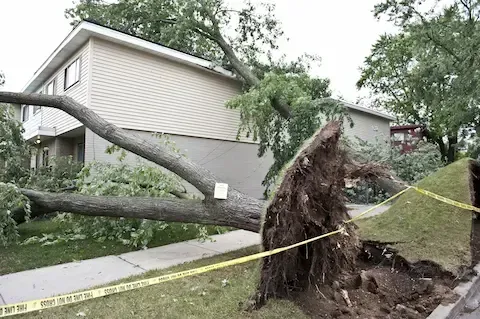
PGE Power Line Tree Hazards in Oregon City Backyards
Power line tree hazards in Oregon City backyards present serious safety and liability concerns that require immediate attention and proper protocols. When trees grow too close to electrical lines or storm damage creates dangerous situations, homeowners must navigate PGE's specific requirements and local regulations to address these hazards safely and legally.
Understanding PGE Power Line Clearance Requirements
PGE maintains strict clearance standards for vegetation near power lines, with different requirements based on voltage levels and line types. For standard residential distribution lines, trees must maintain a minimum clearance of 10 feet from conductors, while transmission lines require significantly greater distances. These clearances apply to both existing vegetation and potential growth patterns over a three-year period.
Property owners in Oregon City must understand that PGE distinguishes between utility-owned lines and service drops to individual properties. The utility company typically handles vegetation management for primary distribution lines along streets and easements, but homeowners bear responsibility for maintaining clearances around service drops and secondary lines on their property. This distinction becomes crucial when determining who pays for tree work and who assumes liability for any damage.
Before any cutting occurs near power lines, PGE requires a utility locate request and often a formal assessment of the situation. The utility company will evaluate whether the work falls under their vegetation management program or if it becomes the homeowner's responsibility. This evaluation process can take several days to complete, making advance planning essential for non-emergency situations.
Emergency Situations and Storm Damage Protocols
Storm damage creates unique challenges for Oregon City residents dealing with power line tree hazards. High winds, ice storms, and heavy snow can cause trees to contact lines suddenly, creating immediate safety risks. In these emergency situations, homeowners must never attempt to remove vegetation from power lines themselves, regardless of whether the lines appear energized.
When storm damage occurs, the proper protocol involves immediately calling PGE's emergency line to report downed or compromised power lines. The utility company will dispatch crews to assess the situation and determine the appropriate response. If the tree damage affects utility-owned equipment or primary distribution lines, PGE typically handles the removal at no cost to the property owner.
However, when storm damage involves trees on private property that have fallen onto service drops or created hazards near secondary lines, homeowners often bear the responsibility and cost for removal. Emergency Tree Services become essential in these situations, as certified arborists have the training and equipment necessary to work safely around electrical hazards.
Coordinating with Utility Response Teams
Emergency tree removal near power lines requires careful coordination between utility crews and tree service professionals. PGE typically needs to de-energize lines before any tree work can begin, which means scheduling and communication become critical factors in resolving the situation quickly and safely.
Property Owner Responsibilities and Shared Clearance Areas
Oregon City's unique topography and dense tree canopy create numerous situations where power line clearance responsibility becomes shared between PGE and property owners. Many backyards in the area feature mature trees that predate current electrical infrastructure, creating complex ownership and maintenance scenarios.
Property owners must maintain clearances for vegetation they plant or allow to grow near power lines, even when those lines cross easements on their property. This responsibility extends to ensuring that tree trimming and removal work meets both PGE standards and local city ordinances regarding tree preservation and removal permits.
When trees span property lines or easement boundaries, determining responsibility for clearance work becomes more complex. PGE may handle vegetation management for portions of trees within their right-of-way while requiring property owners to address sections on private land. These shared responsibility situations often require written agreements and coordination between multiple parties.
Common Mistakes in Power Line Tree Management
Many Oregon City homeowners make critical errors when dealing with power line tree hazards, often due to misunderstanding utility policies or attempting to save money through improper approaches. One of the most dangerous mistakes involves assuming that de-energized lines are safe to work around, when in fact they may become re-energized without warning or carry induced voltage from nearby active lines.
Another common error occurs when property owners hire unqualified tree services that lack proper electrical safety training and equipment. Working near power lines requires specialized knowledge of electrical hazards, proper clearance distances, and coordination protocols with utility companies. Using unqualified contractors can result in serious injuries, property damage, and violations of safety regulations.
Homeowners also frequently misunderstand PGE's vegetation management policies, assuming the utility will handle all tree work near power lines regardless of location or ownership. This misconception can lead to dangerous delays in addressing hazardous trees or unexpected costs when emergency situations develop.
Local Oregon City Regulations and Permit Requirements
Oregon City maintains specific tree ordinances that intersect with power line clearance requirements, creating additional layers of regulation for property owners. The city requires permits for removing certain types and sizes of trees, even when power line clearance creates safety concerns. Understanding these local requirements helps avoid violations and potential fines.
Heritage trees and significant vegetation within Oregon City receive special protection under local ordinances, but power line safety concerns can override these protections when properly documented. Property owners must work with both city officials and PGE representatives to ensure that necessary tree work complies with all applicable regulations while maintaining electrical safety.
For residents in Oregon City's historic districts or areas with specific landscaping requirements, power line tree management may require additional approvals or design considerations. These overlay requirements can affect the timing and methods used for tree removal or trimming near electrical infrastructure.
Professional Assessment and Certified Tree Services
Proper management of power line tree hazards requires professional assessment from certified arborists who understand both electrical safety and tree biology. These professionals can evaluate tree health, growth patterns, and potential failure risks while coordinating with PGE requirements and local regulations.
Certified tree service companies maintain the specialized equipment and training necessary to work safely around electrical hazards. This includes insulated tools, proper clearance procedures, and coordination protocols with utility companies. For homeowners seeking guidance on emergency protocols, our guide on when to call an emergency tree crew explains how to recognize situations that require immediate professional intervention.
Professional tree services also provide documentation and liability protection that becomes essential when dealing with utility companies and insurance claims. Proper documentation of tree work near power lines helps establish compliance with safety requirements and can prevent disputes over responsibility for future issues.
Prevention and Long-term Planning Strategies
Effective management of power line tree hazards requires long-term planning that considers tree growth patterns, utility infrastructure changes, and property development plans. Oregon City property owners benefit from developing comprehensive vegetation management strategies that prevent hazardous situations from developing rather than simply reacting to immediate threats.
Regular tree maintenance and monitoring help identify potential power line conflicts before they become safety hazards or emergency situations. Professional arborists can assess tree health, growth patterns, and structural integrity to predict when clearance work will become necessary, allowing for better planning and cost management.
When planning new landscaping or tree planting in Oregon City backyards, homeowners should carefully consider power line locations and future growth potential. Selecting appropriate tree species and planting locations can prevent power line conflicts while maintaining desired landscaping goals and property values.
