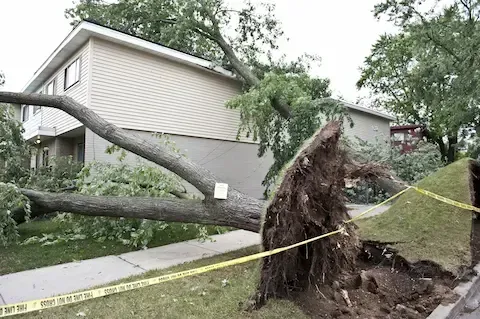
When to Call Emergency Tree Crews in Oregon City Yards
Call emergency tree crews in Oregon City immediately when trees show dangerous signs like severe leaning after storms, visible trunk splits or cracks, large fallen limbs blocking access routes, or any part of the tree threatening structures, vehicles, or power lines. Emergency situations require professional assessment within hours, not days, as unstable trees can cause property damage, injury, or utility disruptions without warning.
What are the immediate signs that require emergency tree service calls?
Several critical warning signs demand immediate professional attention in Oregon City yards. A tree leaning more than 15 degrees from vertical, especially after recent storms or high winds, poses significant risk to nearby structures and requires urgent evaluation. Visible cracks or splits in the main trunk indicate structural failure that can lead to complete collapse without warning.
Large limbs that have already fallen create immediate hazards, particularly when they block driveways, walkways, or emergency vehicle access. Trees with branches touching or hanging dangerously close to power lines require immediate professional intervention to prevent electrical hazards and potential service interruptions throughout the neighborhood.
Root exposure from soil erosion or construction damage creates instability that can cause sudden tree failure. When you notice significant root systems exposed or damaged around the base of mature trees, contact Emergency Tree Services immediately for professional assessment and stabilization.
How quickly should you respond when trees threaten structures?
Trees posing immediate threats to homes, garages, or other buildings require same-day emergency response in Oregon City. When branches overhang rooflines and show signs of weakness, or when entire trees lean toward structures, the risk of costly property damage increases exponentially during weather events.
Professional emergency crews can assess structural integrity, provide temporary stabilization, and execute safe removal procedures that protect both property and surrounding landscape features. Delaying action when trees threaten buildings often results in emergency situations occurring during storms when response times are longer and conditions more dangerous.
Oregon City's frequent winter storms and occasional ice events can transform marginally stable trees into immediate hazards within hours. Trees showing stress signs during calm weather may fail completely when subjected to additional wind or ice loads.
When do fallen limbs create emergency situations requiring professional crews?
Fallen limbs become emergency situations when they block critical access routes, damage vehicles, or create safety hazards for residents and visitors. Large branches across driveways prevent emergency vehicle access and require immediate professional removal using proper equipment and safety protocols.
Limbs that have damaged roofing, siding, or windows need swift professional attention to prevent further structural damage from weather exposure. Emergency tree crews possess specialized equipment for safe limb removal without causing additional property damage during the extraction process.
When fallen branches compromise fence lines or create access problems for utility workers, professional removal becomes necessary to restore normal property function and maintain good neighbor relationships in Oregon City residential areas.
What power line situations require immediate emergency tree service?
Any tree contact with active power lines creates an immediate emergency requiring professional intervention. Never attempt to remove tree material from power lines yourself, as electrical hazards can prove fatal even when lines appear inactive or undamaged.
Emergency tree crews coordinate with utility companies to ensure safe power disconnection before beginning removal work. Trees growing too close to power lines, even without current contact, may require emergency trimming when storm conditions threaten to bring branches into contact with electrical systems.
Oregon City's mature tree canopy often grows close to residential power lines, making regular monitoring essential for identifying potential emergency situations before they develop into service disruptions or safety hazards affecting entire neighborhoods.
How do weather conditions create emergency tree situations?
Oregon City's climate patterns create specific conditions that transform stable trees into emergency hazards. Ice storms can add tremendous weight to tree branches, causing sudden failure of even healthy limbs. High winds during winter storms can uproot trees with compromised root systems or push already-leaning trees past their stability point.
Saturated soil conditions during Oregon's rainy season reduce root anchoring strength, making trees more susceptible to wind damage and creating emergency situations that require immediate professional response. Extended drought periods can also weaken tree structure, making them more likely to fail during subsequent weather events.
For comprehensive guidance on managing storm-damaged trees, reference more on emergency tree service across various weather scenarios and seasonal considerations specific to the Pacific Northwest climate.
What are the risks of delaying emergency tree service calls?
Delaying emergency tree service calls in Oregon City significantly increases risks to property, personal safety, and liability exposure. Unstable trees can fail suddenly, causing extensive damage to homes, vehicles, and utility infrastructure that far exceeds the cost of immediate professional intervention.
Insurance coverage may be affected when property owners fail to address known tree hazards promptly. Many policies require reasonable preventive measures, and documented awareness of tree risks without appropriate action can complicate claim processing following damage incidents.
Emergency situations often worsen over time, particularly when weather conditions continue to stress already compromised trees. What begins as a manageable situation requiring standard removal procedures can escalate into complex emergency scenarios requiring specialized equipment and higher costs for safe resolution.
