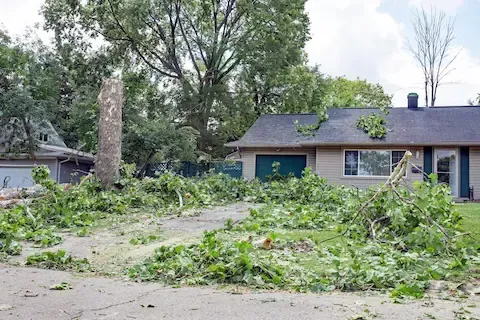
Spring Storm Cleanup Steps for Oregon City Yard Damage
Spring storm cleanup in Oregon City requires immediate hazard assessment followed by systematic debris removal, careful pruning of damaged limbs, and soil evaluation around stressed tree roots. Start with safety by identifying hanging branches, leaning trees, or power line contact before beginning any cleanup work. Remove debris in order of size, prune broken branches back to healthy wood, and check soil compaction around root zones to prevent long-term tree decline.
How do you assess storm damage safely in your Oregon City yard?
Begin your spring storm cleanup by conducting a thorough safety assessment before touching any debris or damaged trees. Walk your property perimeter first, looking up for hanging branches, split limbs, or trees leaning toward structures. Check for any contact between tree branches and power lines, which requires immediate professional attention.
Document damage with photos for insurance purposes, marking hazardous trees with bright ribbon or spray paint. In Oregon City's clay-heavy soils, look for trees that may have shallow root systems exposed by wind action or soil erosion. Uprooted trees create immediate safety hazards and often damage irrigation systems or underground utilities.
Never attempt cleanup near power lines or utility connections. Oregon City residents should contact Portland General Electric immediately for any tree-power line contact situations. Focus your initial assessment on identifying what needs professional storm cleanup versus what homeowners can safely handle.
What's the proper sequence for removing storm debris?
Start debris removal with the largest, most hazardous items first, then work systematically toward smaller materials. Remove fallen trees and major limbs from walkways, driveways, and structures before addressing smaller branches and leaf debris. This prioritization ensures safe access for both homeowners and any professional services needed.
Clear debris away from your home's foundation and drainage systems first. Oregon City's spring storms often coincide with heavy rains, making proper water flow essential to prevent flooding or foundation issues. Remove any organic matter from gutters and downspout areas.
Sort debris as you work: separate branches suitable for chipping from those requiring disposal, and set aside any damaged fence materials or outdoor furniture. Many Oregon City residents utilize the city's yard debris pickup service, but large items may require special arrangement or professional hauling services.
How should you prune storm-damaged tree branches?
Proper pruning of storm-damaged branches prevents decay and promotes healthy regrowth. Make clean cuts back to the nearest healthy branch junction or trunk, avoiding flush cuts that damage the branch collar. Never leave stub cuts, as these create entry points for diseases common in Oregon City's moist spring climate.
For branches larger than two inches in diameter, use the three-cut method: an undercut, then a top cut to remove the weight, followed by a final clean cut at the proper location. This prevents bark stripping down the trunk. Remove any split or partially attached branches completely, as they won't heal properly and pose ongoing hazards.
Focus pruning efforts on safety and tree health rather than aesthetics. Storm-damaged trees often require multiple pruning sessions over several seasons to fully recover. Consider professional evaluation for valuable mature trees, especially Oregon City's heritage oaks and maples that may need specialized care techniques.
What soil issues should you check after storm damage?
Examine soil conditions around trees after storm cleanup, particularly in areas where heavy machinery or foot traffic occurred during debris removal. Oregon City's clay soils compact easily when wet, restricting root oxygen and water infiltration. Check for standing water or muddy conditions that indicate drainage problems.
Look for exposed roots caused by soil erosion or wind action. These roots need protection from drying and mechanical damage. Apply a thin layer of mulch over exposed roots, but avoid piling mulch against tree trunks. Soil compaction around stressed trees can be addressed with gentle aeration using a pitchfork or specialized tools.
Test soil pH if storm damage was extensive, as debris decomposition and fertilizer runoff can alter soil chemistry. Oregon City's naturally acidic soils may need lime applications for optimal tree recovery. Consider professional soil testing for valuable landscape trees that suffered significant root damage during the storm event.
When should you call professionals for storm cleanup assistance?
Professional help becomes necessary when storm damage exceeds homeowner capabilities or involves safety risks. Contact certified arborists for trees touching power lines, large trees threatening structures, or complex removals requiring specialized equipment. Oregon City's mature urban forest often requires professional expertise for safe cleanup.
Consider professional services when dealing with multiple damaged trees, especially if they're interconnected with utility lines or neighboring properties. Professional tree services have proper insurance and equipment for dangerous situations that homeowners should never attempt independently.
Get more on storm damage cleanup across different property types, as commercial and residential cleanup needs vary significantly. Professional assessment helps identify which trees can recover versus those requiring removal, potentially saving thousands in future property damage or tree replacement costs.
