Emergency Tree Service Across Oregon City Clackamas
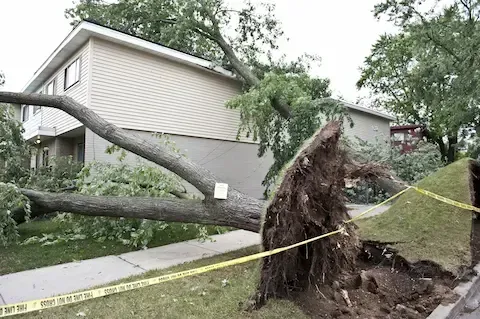
When severe weather strikes Oregon City or unexpected tree emergencies threaten your property, immediate professional response becomes essential for protecting your home, family, and community infrastructure. Emergency tree situations don't follow business hours, and the risks they pose to power lines, structures, and public safety require specialized equipment and expertise that only certified arborists can provide safely and effectively.
Understanding Tree Emergency Classifications
Not every tree concern constitutes a true emergency, but understanding the difference can prevent property damage and ensure appropriate response timing. Immediate emergency situations include trees or large limbs that have fallen across roadways, are actively threatening structures, or have made contact with power lines. These scenarios require immediate professional intervention to prevent injury or further damage.
Urgent but non-immediate situations involve trees with significant structural damage, severe leaning toward structures, or large hanging limbs that could fall with additional weather stress. While these situations don't require middle-of-the-night response, they shouldn't wait for regular business hours if weather conditions are deteriorating.
Assessment becomes critical when dealing with partially failed trees. A tree that has lost major limbs or shows signs of root failure may appear stable but could collapse without warning. Professional arborists use specialized equipment to evaluate structural integrity and determine whether immediate removal is necessary or if the situation can be managed through strategic pruning and support systems.
Storm Damage Response Protocols
Oregon City's position in the Willamette Valley exposes the area to various weather patterns that can create sudden tree emergencies. Winter ice storms, summer windstorms, and occasional severe thunderstorms can transform healthy trees into immediate hazards within hours. Professional emergency tree services maintain response protocols designed to address these rapidly changing conditions.
Initial storm damage assessment focuses on identifying the most dangerous situations first. Trees touching power lines receive immediate attention, followed by those blocking emergency vehicle access or threatening occupied structures. This triage approach ensures that limited emergency resources are deployed where they can prevent the greatest potential harm.
Documentation becomes crucial during storm response, both for insurance purposes and to track the extent of damage across affected areas. Professional services photograph damage before beginning work and maintain detailed records of emergency interventions performed. This documentation helps property owners navigate insurance claims and provides valuable information for future risk assessment.
Coordination with utility companies is essential when storm damage involves power lines. Emergency Tree Services professionals are trained to work safely around electrical infrastructure and understand the protocols for coordinating with utility crews to restore power while safely removing damaged trees.
Power Line Hazard Management
Trees in contact with power lines represent the most dangerous type of tree emergency, requiring specialized training and equipment to address safely. Never attempt to remove trees or limbs touching power lines yourself, as electrical current can travel through wood and create lethal situations even for those not directly touching the affected tree.
Professional emergency tree services coordinate closely with Portland General Electric and other utility providers serving the Clackamas County area to ensure safe de-energization of lines before beginning removal work. This coordination process may involve temporary power outages for affected neighborhoods, but it ensures the safety of both workers and residents during emergency tree removal operations.
Preventive measures around power lines focus on maintaining appropriate clearances and identifying trees with the potential to interfere with electrical infrastructure during storm events. Regular inspection and maintenance of trees near power lines can prevent many emergency situations before they develop into dangerous conditions requiring urgent response.
Equipment and Safety Considerations
Emergency tree removal requires specialized equipment that goes beyond standard tree care tools. Bucket trucks, cranes, and emergency lighting systems allow professionals to work safely in challenging conditions and during non-daylight hours. This equipment represents significant investment but is essential for providing comprehensive emergency tree services.
Safety protocols for emergency tree work are more stringent than routine tree care due to the unstable nature of damaged trees and the often adverse conditions under which the work must be performed. Professional crews use multiple backup safety systems and maintain constant communication during emergency operations to ensure all team members remain aware of changing conditions.
Personal protective equipment for emergency tree work includes specialized gear for working around electrical hazards, enhanced visibility clothing for roadside work, and equipment designed for working in wet or icy conditions. This specialized gear helps ensure worker safety while maintaining the rapid response capabilities essential for effective emergency tree services.
Insurance and Documentation Requirements
Proper documentation of tree emergencies becomes crucial for insurance claims and regulatory compliance. Professional emergency tree services maintain detailed photographic records of damage before, during, and after removal operations. These records help substantiate insurance claims and provide valuable information for assessing the effectiveness of emergency response procedures.
Insurance coverage for emergency tree removal varies significantly between policies and specific circumstances. Generally, damage caused by healthy trees falling due to weather events is covered, while removal of trees that were already diseased or structurally compromised may not be. Understanding these distinctions helps property owners make informed decisions about emergency tree service investments.
Working with insurance adjusters requires clear documentation of the emergency nature of the situation and the immediate steps taken to prevent further damage. Professional tree services experienced in emergency response understand insurance requirements and can provide the documentation necessary to support claims while ensuring that emergency safety measures are implemented promptly.
Seasonal Emergency Patterns
Different seasons bring distinct types of tree emergencies to the Oregon City area. Winter ice storms create unique challenges as ice accumulation adds tremendous weight to tree branches and can cause sudden, widespread failures. These events often affect multiple properties simultaneously, requiring coordinated emergency response across affected neighborhoods.
Summer storms, while less frequent, can produce sudden wind events that topple trees with full leaf canopies. The increased wind resistance of fully leafed trees makes them more susceptible to wind damage during summer thunderstorms. Additionally, summer emergency response must account for increased fire danger when using equipment that could create sparks.
Spring brings its own emergency patterns as trees weakened by winter conditions may fail as they leaf out and face increased wind loads. Root systems damaged by winter freeze-thaw cycles may not provide adequate support for trees as they enter their active growing season, leading to unexpected failures during spring wind events.
Fall storms often combine with saturated soil conditions to create root failure emergencies. Trees that have been stable throughout the growing season may suddenly lose root stability when soil becomes waterlogged, particularly in areas with clay soils common throughout Clackamas County.
Prevention and Risk Assessment
While not all tree emergencies can be prevented, professional risk assessment can identify many potential problems before they become dangerous situations. Regular inspection by certified arborists helps identify structural weaknesses, disease conditions, and environmental stresses that could lead to tree failure during adverse weather conditions.
Preventive measures include strategic pruning to reduce wind loads, cabling and bracing systems for trees with structural weaknesses, and removal of trees that pose unacceptable risks to property or safety. These proactive measures are typically more cost-effective than emergency response and help prevent the property damage and safety risks associated with tree failures.
Risk assessment considers not only the condition of individual trees but also their location relative to structures, power lines, and high-traffic areas. A tree with minor structural issues may require immediate attention if it's positioned where failure could cause significant damage, while a similar tree in an open area might be managed through monitoring and gradual corrective measures.
Property owners can contribute to emergency prevention by monitoring trees for signs of stress or structural problems and reporting concerns to professional arborists before conditions deteriorate. Understanding basic signs of tree distress helps property owners identify when professional assessment is needed, potentially preventing emergency situations from developing. For comprehensive guidance on maintaining tree health and preventing emergencies, consider reviewing information about professional tree pruning services in Oregon City that focus on preventive care and structural improvement.
Community Coordination and Resources
Effective emergency tree response often requires coordination between multiple agencies and service providers. Oregon City's emergency management protocols include coordination with tree service providers to ensure rapid response to community-wide tree emergencies that could affect public safety or essential services.
During major storm events, emergency tree services work closely with local emergency management, utility companies, and transportation departments to prioritize response efforts and ensure that critical infrastructure remains accessible. This coordination helps maximize the effectiveness of limited emergency resources and ensures that the most dangerous situations receive immediate attention.
Community preparedness includes understanding the resources available during tree emergencies and having contact information for professional emergency tree services readily available. Property owners should understand their responsibilities for trees on their property and know when to contact emergency services versus professional tree care providers for different types of tree-related situations.
